WHO Experts Advocate For Increased Clinical Research Amidst Global Monkeypox Outbreaks

A global research consultation convened by the World Health Organization (WHO) R&D Blueprint gathered over 500 experts and more than 2000 participants to discuss knowledge gaps and research priorities for monkeypox, in view of the recent outbreaks of the disease in both endemic and non-endemic countries.
Monkeypox virus is an orthopoxvirus that causes a disease with symptoms similar, but less severe, to smallpox. Since early May, Monkeypox has been making headway across at least 30 countries, including the United Kingdom, Spain, Portugal, Australia, and the United States.
Up to 780 laboratory-confirmed monkeypox cases have been reported to the World Health Organization from 27 non-endemic countries, while the organization maintains that the global risk level is still moderate.
The WHO global research consultation was part of a range of WHO activities in response to this multi-country outbreak.
Researchers and high-level experts from all over the world met virtually for two days to review the available evidence on the epidemiology of the virus; its transmission dynamics; the clinical characteristics; One Health research; community engagement; and countermeasures for managing the disease, including clinical care, treatments and vaccines. They agreed that effective countermeasures should be made available based on where the need was greatest.
Improved control of monkeypox in endemic countries is critical to address increases in disease incidence, and to control importations and outbreaks elsewhere. Participants agreed that strengthened collaboration among researchers in endemic countries, who have a wealth of experience and data on the disease—along with researchers from other countries—will ensure that scientific knowledge advances more quickly.
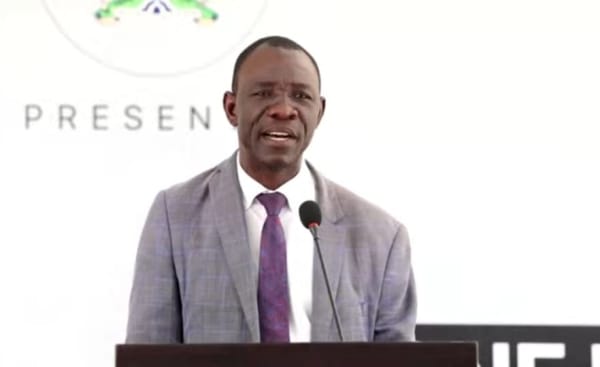
Ministry of Health Uganda on Monday said that to-date, the country has not registered any case of Monkeypox. However, the Ministry has heightened surveillance following the outbreak of the disease in 23 non-endemic countries and 8 endemic countries within the African tropical belt.
Experts at the WHO consultation underlined the need for expedited studies to better understand the disease epidemiology, its clinical consequences, and the role of various modes of transmission. In addition, the following research needs were highlighted: a comprehensive One Health approach to understand animal-to-human transmission and animal reservoirs; development and evaluation of better diagnostic tools that can be available around the world; improved approaches to communicate and engage communities in affected areas; studies to optimize supportive clinical care; documentation of the best control and treatment practices; and prompt and transparent communication of data and scientific evidence.
Experts also emphasized the need for clinical studies of vaccines and therapeutics to better document their efficacy and understand how to use them in this and future outbreaks.
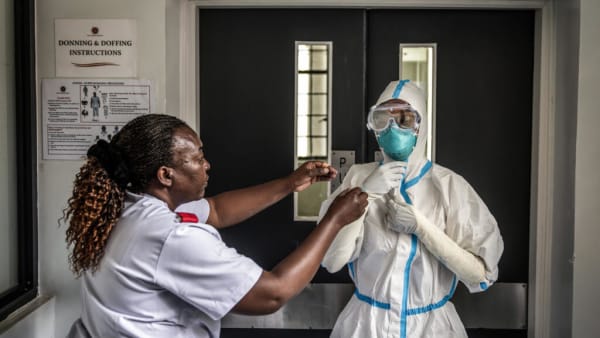
Implementing without delay public health activities—such as communicating prevention information, enhanced disease surveillance, contact tracing, isolation of cases and optimized care of of people with the virus—should be used to limit spread and help the people affected, no matter where they are.