Uganda Reinstates Mandatory Traveller Tracking As Ebola Fears Grow
The ministry of Health announced the measures on October 23, 2026
Uganda has reinstated mandatory traveller locator forms for all people entering the country as the government strengthens measures to prevent Ebola from crossing its borders.
The ministry of Health announced the measures on October 23, 2026, following confirmation that a Nigerian woman who travelled through Uganda had tested positive for Bundibugyo Ebola virus disease in Nigeria.
Under the new directive, all travellers must provide information that will help health authorities trace their movements and contact them if they are suspected of exposure to the virus.
The requirement applies to travellers from all countries, regardless of their nationality or place of origin.
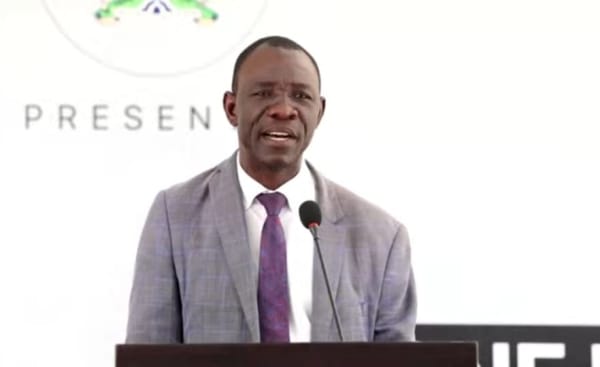
In a statement, director general of Health Services Prof Charles Olaro said the government had restored the forms to support disease surveillance and contact tracing.
"These have been reinstated for all travellers, regardless of their country of origin, to facilitate timely follow-up and contact tracing where necessary," the ministry said.
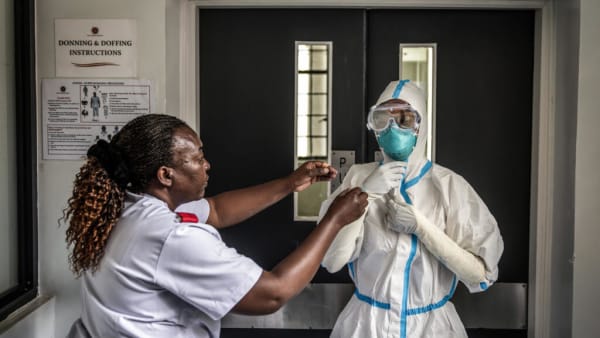
Health authorities have also strengthened infection prevention and control measures at all entry and exit points, including health facilities across the country.
The government has introduced restrictions on travellers who have visited the Democratic Republic of Congo (DRC).
"Travellers with a history of travel to the Democratic Republic of the Congo will not be permitted to transit through Uganda," the ministry said.
The ministry also warned people against entering the country through unauthorised border crossings.
It said authorities would apply the Public Health Act against individuals who violate public health requirements.
"Persons entering the country through unauthorised routes will be referred to the relevant authorities for appropriate action under the law," the statement reads.
Communities living near border areas have been urged to report suspected illegal crossings to help health workers identify and screen travellers.
The measures follow investigations into a Nigerian woman who tested positive for Ebola after travelling through Uganda.
According to the ministry, preliminary information indicates that the woman did not show symptoms when she departed Uganda.
However, investigations have yet to establish when and where she contracted the virus.
"Available information indicates that the traveller did not exhibit symptoms at the time of departure from Uganda. However, investigations are continuing to establish the timing of symptom onset and the circumstances surrounding her infection," the ministry said.
Uganda is working with Nigerian authorities to establish the woman's full travel history and identify possible exposure to the virus.
The ministry has requested detailed travel information and genomic sequencing results from Nigeria to support the investigation.
In an earlier statement, the government said the woman had travelled to eastern DRC for business before passing through Uganda.
She developed symptoms after reaching Nigeria and was later admitted to a private hospital in Abuja.
Uganda maintains that passing through the country does not establish where the woman contracted the disease.
The ministry said it was receiving technical support from the Africa Centres for Disease Control and Prevention, the US Centres for Disease Control and Prevention and the World Health Organisation.
Despite the growing concern, Olaro maintained that Uganda had no confirmed active Ebola cases.
"The Ministry of Health wishes to assure the country that Uganda remains Ebola-free," the statement reads.
The government has urged the public to remain calm, observe proper hand hygiene and cooperate with health workers conducting screening at border crossings.