Ugandans Push Back Against Bundibugyo Ebola Name
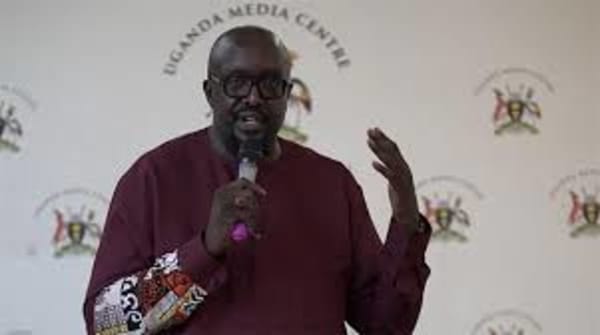
Government spokesman Alan Kasujja
Ugandans are protesting the continued use of Bundibugyo as the name of a rare Ebola strain, saying the association unfairly stains the image of one of the country’s most scenic districts.
Bundibugyo is a mountainous district in western Uganda, near the border with the Democratic Republic of Congo. It is known for its steep hills, valleys and cocoa farms. But its name has returned to global attention because of the current Ebola outbreak in eastern Congo, where health authorities are battling the Bundibugyo virus.
For many Ugandans, the concern is not only medical. It is also about identity, tourism and stigma. They argue that Bundibugyo is now being linked to a frightening disease even when the current outbreak is mainly on the Congo side.
Government spokesman Alan Kasujja captured that frustration in a post on X, saying: “Bundibugyo is too beautiful to be the name of a disease. We need to take back its name from this madness.”
The name dates back to 2007, when Uganda recorded an Ebola outbreak in Bundibugyo District. Scientists later identified it as a new species of Ebola virus. It was not the Sudan strain, named after the area in present-day South Sudan where that type was first identified. It was also not the Zaire strain, named after the former name of the Democratic Republic of Congo.
The 2007 Bundibugyo outbreak killed at least 37 people before health teams contained it. A second outbreak of the same virus was reported in northeastern Congo in 2012.
The naming follows a long pattern in Ebola science, where virus types have been linked to places where they were first identified. Ebola itself was named after a river in Congo. But critics say such names can expose communities to fear, stigma and economic damage.
The World Health Organisation has in recent years shown sensitivity to disease names that stigmatise people or places. In 2022, it changed monkeypox to mpox after concerns that the old name carried racist and stigmatising undertones.
Ugandan officials now want global health agencies to make a clear distinction between the virus name and the current outbreak. They say Uganda is not the epicentre of the latest outbreak.
Uganda has reported only two cases linked to Congolese nationals who travelled into the country before Congo declared the outbreak on May 15. President Museveni has also said the outbreak is mainly “the Congo side” and urged tourism officials to fight the impression that Ebola is spreading in Uganda.
Health experts say the Bundibugyo strain remains dangerous because it is less studied than other Ebola strains. Available vaccines and treatments do not work for Bundibugyo patients, making contact tracing, isolation and protection for health workers vital.
For Bundibugyo residents and many Ugandans, however, the debate goes beyond health. They want the world to know that Bundibugyo is more than a virus name. It is a beautiful Ugandan district whose people should not carry the weight of a disease label forever.