Uganda Records 29,000 New Cancer Cases as Treatment Costs Strain Families
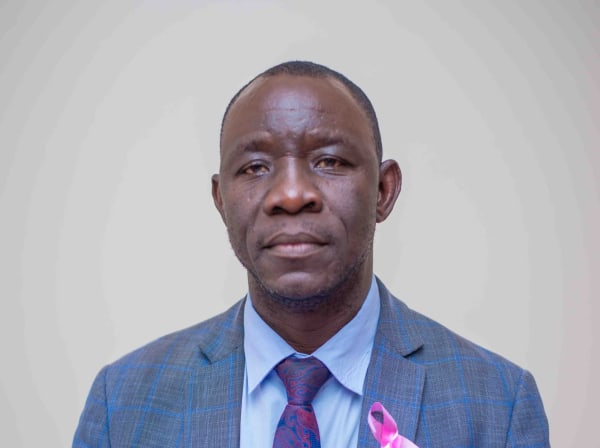
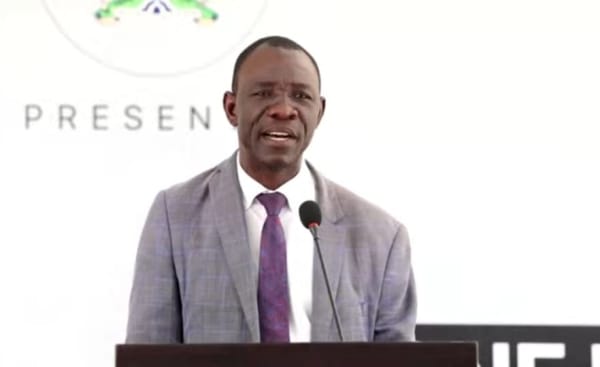
Dr Alfred Jatho, the Head of Community Cancer Services at the Uganda Cancer Institute
Uganda records about 29,000 new cancer cases every year, with 18,000 patients dying from the disease, according to new figures presented by the Uganda Cancer Institute.
Dr Alfred Jatho, the Head of Community Cancer Services at the Uganda Cancer Institute, said about 59,000 cancer patients receive care at different health facilities across the country each year.
He said the growing burden is also placing a heavy financial strain on families, government and development partners.
“Treating one cancer patient may require an average of Shs300 million which must come from somebody; either a donor, the government or the patient. This is a very big burden,” Jatho said while disseminating findings from a recent UCI study.
He said there are more than 100 types of cancer, but a few account for a large share of cases among Ugandan men and women.
Among women, cervical and breast cancers remain the biggest concern and together account for almost half of the cancer burden.
Jatho said this makes screening for the two cancers particularly important, especially for women who may not have the resources or time to undergo tests for several types of cancer.
“This is important information because it means that if you don't have money or time to screen for all these cancer types, at least try these two because there is a high probability of developing those two as a woman,” he said.
Among men, prostate, oesophageal and liver cancers are among the most common.
Kaposi sarcoma, commonly associated with weakened immunity and HIV, also remains a major concern among men.
Jatho said Kaposi sarcoma is linked to a virus and is more likely to develop when a person’s immune system is weak.
He said the condition is associated locally with what is referred to in Luganda as “Kisipi”.
“KS in Luganda falls under the group called Kisipi. This Kisipi can later on advance and cause KS,” he said.
Kaposi sarcoma develops in the cells that line blood and lymph vessels. It can cause lesions on the skin and may also affect internal organs.
The cancer is caused by Kaposi sarcoma-associated herpesvirus, also known as human herpesvirus 8. Infection with the virus does not automatically lead to cancer, but the risk rises when immunity is weakened.
Jatho said people living with HIV face a higher risk, particularly where treatment is delayed or inconsistent.
“But if you have that virus and your immunity is okay, for most cases you are less likely to develop KS,” he said.
“But if you are living with HIV, or your diet is not good, either due to old age, your risk of this cancer is much higher.”
He said Kaposi sarcoma has declined among women, partly because women living with HIV have better access to antiretroviral treatment than men.
“In women it is there also, but it has reduced because access to ARVs among women living with HIV is much better compared to men. So in men, it remains a big problem,” Jatho said.
The findings underline the wider challenge Uganda faces in preventing, detecting and treating cancer.