Uganda Confronts Sharp Rise in Mental Health Cases

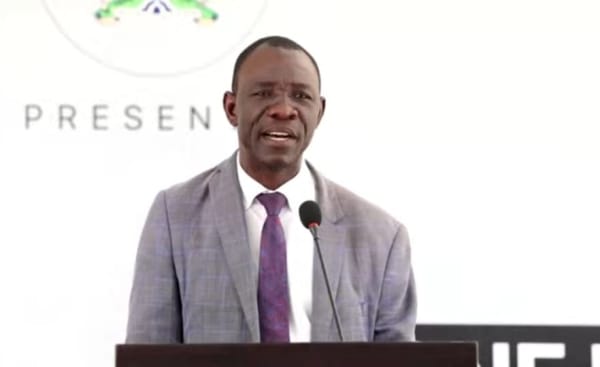
Uganda launched the State of Uganda Population Report 2025
Uganda is facing a rapidly deepening mental health crisis, with new data showing a significant increase in reported cases over the past few years.
The findings were unveiled in the recently released State of Uganda Population Report 2025, which places the issue at the centre of national development discussions and warns that mental health concerns are now a major public health and economic challenge.
According to the report, the number of mental health cases recorded at health facilities has climbed sharply by more than 70 per cent between 2021 and 2024 — rising from about 494,326 to 843,295 cases.
This surge reflects growing rates of depression, anxiety, substance-use disorders and trauma-related conditions among adults, adolescents and children, underscoring how widespread psychological distress has become across age groups.
Health authorities acknowledge that fewer than one in ten Ugandans who need mental health care currently receive appropriate support, citing persistent shortages in infrastructure, trained professionals and community-based services. Stigma around mental illness further discourages many from seeking help, particularly in rural areas.
The report also highlights socio-economic pressures as key drivers of the crisis. Uganda’s youthful population — with more than 70 per cent under the age of 30 — coexists with high levels of unemployment and educational exclusion, contributing to stress and psychological distress among young people.
Officials warned that without urgent action, the economic impact of rising mental health conditions could be severe, with losses from absenteeism and reduced productivity projected to grow substantially if services are not strengthened. In response, the government has pledged to integrate mental health into primary health care, expand the workforce and improve treatment infrastructure at referral and district levels.
Experts and health advocates are now calling for greater investment, broader awareness programmes and community-level support systems to tackle what they describe as not merely a health issue but a critical barrier to Uganda’s long-term development goals