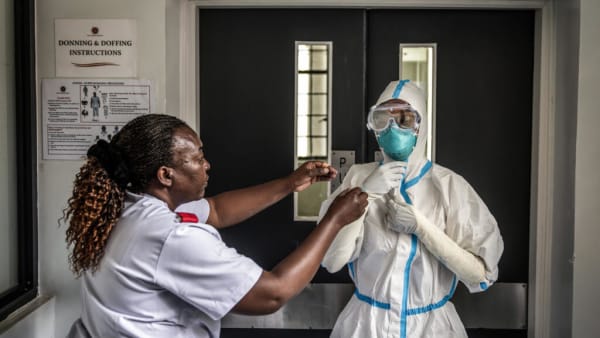
Uganda Battles Ongoing Mpox Epidemic: New Cases Emerge in Key Districts
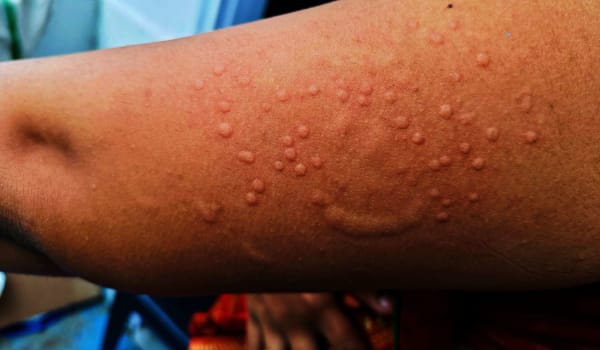
MPOX is resurging in parts of Uganda
Uganda continues to battle an active Mpox epidemic, with recent reports from the Ministry of Health's Mpox Incident Management Team indicating a persistent spread across the nation. As of July 8, 2025, a significant 82% (119 out of 146) of districts have recorded at least one case since the initial outbreak began.
More recently, 40% (59 out of 146) of districts have reported new infections within the last 21 days, highlighting the ongoing challenge of containing the disease.
Despite an earlier general decline in incident cases, the latest situation report points to concerning trends in several key regions.
Districts such as Wakiso, Hoima City, Mukono, and Masaka City, which had previously experienced high burdens of the disease, are now seeing a notable increase in new cases.
This follows a period where weekly incident cases had steadily decreased until week 23. However, a consistent marginal rise has been observed from week 23 to 25, culminating in a "notable spike" from week 26.
Although there was a slight reduction in reported cases in week 27 compared to week 26, the overall number of infections remains "significantly higher" than figures recorded between weeks 23 and 25, indicating that the epidemic is far from over.
Vulnerable Groups and Rising Fatalities
The Mpox situation report also draws attention to critical aspects of the disease's impact, including continued fatalities and a disproportionate effect on specific age groups.
Two new deaths have been registered recently, bringing the cumulative number of confirmed Mpox-related fatalities to 46. A concerning finding is that half (50%) of these deaths occurred among individuals who were also co-infected with HIV, underscoring the severe health risks faced by this particularly vulnerable population.
Analysis of attack rates reveals distinct patterns among young adults. Females aged 24–29 show the highest attack rate at 3.5 per 100,000 population. For males, the peak incidence is slightly older, affecting those between 35–39 years, with an attack rate of 4.3 per 100,000 population.
These demographic insights are crucial for guiding public health efforts, allowing the Ministry of Health to tailor prevention strategies, awareness campaigns, and resource allocation to effectively reach and protect the most affected segments of the population as Uganda continues its fight against the ongoing Mpox epidemic.