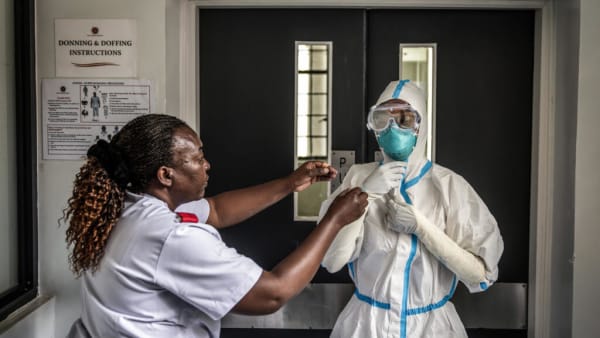
The Ministry of Health and Ntungamo District leadership have confirmed the outbreak of Rift Valley Fever in the District.
The World Health Organization (WHO) said in a report in early June that there was an active outbreak of the virus in the Western region districts of Mbarara and Sheema.
Now, the leadership of Ntungamo has announced that the area has also recorded a total of 3 fatalities in the regions of Rubaare, Nyarutuntu and Itojo.
According to the District Surveillance Focal Person Moses Asiimwe, the disease has so far affected individuals between ages 13 and 45 years.
He also noted that in addition to these three, six more cases have been laboratory-confirmed by the Uganda Virus Research Institute in Entebbe.
The diseased persons are exhibiting a wide range of symptoms including fever, joint pain and bleeding.
The Acting District Health Officer, Beatrice Chemisto has reassured the public of the district's health system' s capacity, noting thatf sev eral measures have already been put in place, including initiating vector control, contact tracing, and public awareness campaigns.
Rift Valley fever (RVF) is a viral zoonosis that primarily affects animals but also has the capacity to infect humans. It is transmitted by mosquitoes and blood feeding flies. In humans, the disease ranges from a mild flu-like illness to severe haemorrhagic fever that can be lethal.
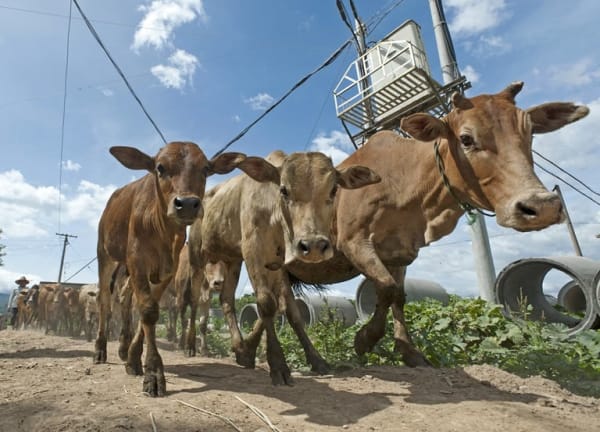
While some human infections have resulted from the bite of infected mosquitoes, most human infections result from contact with the blood or organs of infected animals.
Occupational groups such as herders, farmers, slaughterhouse workers and veterinarians are at higher risk of infection. Humans may also become infected by ingesting the unpasteurized or uncooked milk of infected animals. No human-to-human transmission of RVF has been documented.