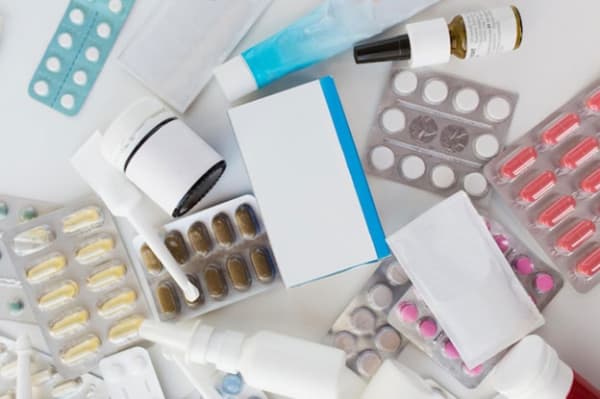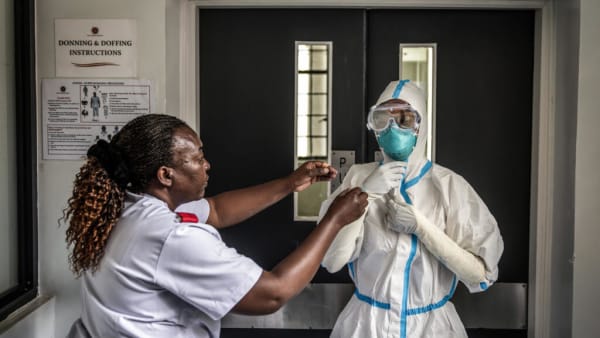

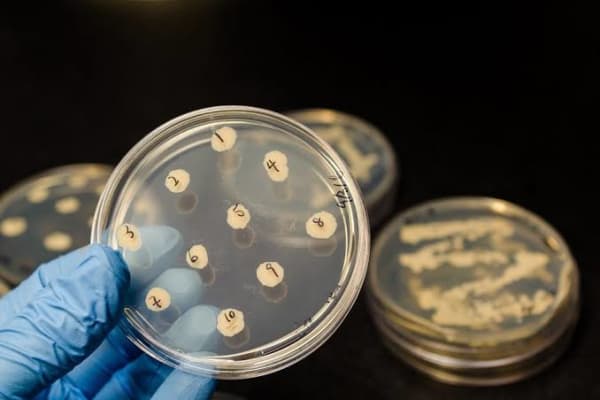
I spent the better part of last night burrowing through the crevices of AMR (Antimicrobial Resistance) papers and factsheets. AMR is one of the leading 10 global public health threats and overuse, misuse as well as lack of access to quality-assured medications are some of its main drivers. It refers to when bacteria, viruses and other diseases causing organisms change overtime and nolonger respond to drugs against them, making diseases and infections very difficult or impossible to treat. Antibiotic resistance poses a major threat to patient health and health systems globally.
Having avoided this topic altogether for the better part of this year, I could no longer could bury my head in the sand. So I set aside a time and place and immersed myself in literature. Fortunately, this week (Nov 18-24) is the Global Antimicrobial Awareness Week (WAAW) so the timing is right.
As I began to read, something suddenly caught my attention - a statement.
"1 in 10 medicines circulating around the world is substandard or does not contain the active ingredient at all." My eyes wandered to the paper's title; "Antimicrobial resistance...a global crisis," by the Integrated African Health Observatory in partnership with World Health Organization (WHO).
A few weeks back, a colleague, during a ward round, mentioned of a study done in Uganda that found Ceftriaxone, an intravenous antibiotic commonly used to treat a wide range of bacterial infections, had about only a third of the active ingredient in every gram packed by the manufacturer. Last night, my curiosity to test the validity of this very disturbing allegation peaked, so I followed suit.
And I found something.
In February 2013, a young 13-year old boy at Mulago National Referral Hospital in Kampala, Uganda lost his life following a diagnosis of otogenic meningitis after a 10-day middle ear infection. He had received a 5-day regimen of 2g of Ceftriaxone showing no improvement. He'd later pass on. Suspecting that the patient's initial treatment failure might have been related to the potency of the ceftriaxone product administered, physicians obtained a sealed vial of the injectable ceftriaxone sodium (labeled 1 g), similar to that administered to the patient, from the hospital dispensary for testing. Results from the analysis that was done at the University of Ottawa, Canada, found the vial to contain only 0.455g (45.5%) of the drug, not 1g as stated by the manufacturer.
You can imagine my shock. And then I found that this problem is far from isolated. Drugs containing little or no active ingredient, including first-line therapies for the treatment of tuberculosis, malaria, and HIV, have been found in many low-income countries (Hajjou et al, 2015). In May 2015, the WHO released a Medical Product Alert warning of falsified meningitis vaccines circulating in West Africa. A 2012 study on antimalarial drug quality in 21 sub-Saharan African countries found that 35% of the analyzed sampled failed the chemical analysis with others appearing falsified (Nayyar et al, 2012).
One might hypothesize using these cases that we are still far from attaining the quality aspect in universal health coverage if quality assurance is neglected by the responsible stake holders. About 35% of our patients receive substandard medication and there's little being done about it.
Substandard or intentionally adulterated medicinal products are a global problem that disproportionately affects low-income countries, where regulation of the pharmaceutical market is often limited. In addition to leading to treatment failures, these medicines also contribute to the emerging antibiotic resistance in the community, and can erode confidence in health systems.
Tackling this problem requires robust pharmacovigilance systems, establishment of product standards and stronger criminal legislation.
On the side of advocacy on AMR, we need to refocus our efforts to collectively include, not just raising awareness on the rational use of medicines by health workers and calling for cessation of self medication and completion of drug dosages by patients, but also ensuring the standard of medication on the market is as claimed. The conversation needs to shift and regulators need to be held accountable. My observation so far has been that very little is being done on the latter's front in the African continent.
AMR, you have my attention! And I'd like to believe that going forward, I'll be your personal champion and advocate. But I believe there are certain bottle necks that have the potential to produce the perfect domino effect for this fight and they are being ignored.
Why focus entirely on the uphill battle of influencing patient lifestyle and completely ignore a vital part of what fuels AMR?
Afterword:
There's an ongoing social media AMR advocacy campaign dubbed; Youth Against AMR (YAAR). Join in and be a
part of this conversation.