Ministry of Health partners with Buganda Kingdom to strengthen efforts against HIV/AIDS.

The Ministry of Health (MOH) has held a 3-day engagement with officials from Buganda Kingdom on strengthening efforts for prevention of HIV/AIDS. The event took place today at the Imperial Resort Beach Hotel in Entebbe.
The Kabaka of Buganda Kingdom is the goodwill ambassador for HIV thus this idea to orient his team on HIV prior to Kabaka’s birthday celebrations.
The Ministry engaged with various officials from the Buganda Kingdom to strengthen disease prevention efforts particularly in HIV/AIDS.
Uganda is on the fast track to achieve the 95:95:95 HIV targets as part of the progress in the fight against HIV/AIDS.
The engagement follows the MOH signing with the Buganda Kingdoml to mobilize communities, provide correct information and improve health seeking behavior.

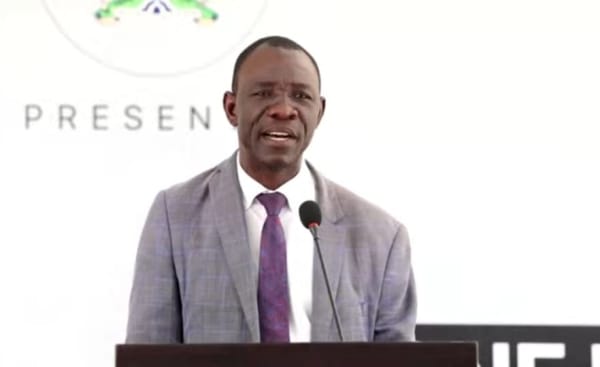
The Permanent Secretary Ministry of Health, Dr. Diana Atwine, thanked the participants and the kingdom of Buganda for their support towards the cause.
“We appreciate the Kingdom of Buganda for always putting health at the forefront of the Kingdom’s agenda. We can never take that for granted; at least for the wellbeing of our people,” Atwine remarked.
The participants were the Clan Heads, Masaza Chiefs, Buganda Youth Leaders and Heads of Health Committees.
According to the Ministry, this model will strengthen the delivery of information to reach all parts of the kingdom.

“This structure will help us to further deliver this key information to the different constituencies that they represent and other communication platforms,” the MOH announced.
The Buganda Kingdom gatekeepers have been empowered with information to address key drivers to poor health and increased HIV/AIDS like; Gender Based Violence, drug abuse, alcohol abuse and other risky behaviors.
In 2018, an estimated 1.4 million people were living with HIV, and an estimated 23,000 Ugandans died of AIDS-related illnesses.
The epidemic is firmly established in the general population. As of 2018, the estimated HIV prevalence among adults (aged 15 to 49) stood at 5.7%. Women are disproportionately affected, with 8.8% of adult women living with HIV compared to 4.3% of men.
Other groups particularly affected by HIV in Uganda are sex workers, young girls and adolescent women, people who inject drugs and people from Uganda’s transient fishing communities.
There has been a gradual increase in the number of people living with HIV accessing treatment. In 2013, Uganda reached a tipping point whereby the number of new infections per year was less than the number of people beginning to receive antiretroviral treatment.
However, as of 2018 around 27% of adults living with HIV and 33% of children living with HIV were still not on treatment. Persistent disparities remain around who is accessing treatment and many people living with HIV experience stigma and discrimination.
HIV prevalence is almost four times higher among young women aged 15 to 24 than young men of the same age.
The issues faced by this demographic include gender-based violence (including sexual abuse) and a lack of access to education, health services, social protection and information about how they cope with these inequities and injustices. Indeed, young Ugandan women who have experienced intimate partner violence are 50% more likely to have acquired HIV than women who had not experienced violence.
The lack of sexual education is telling. In 2014, only 38.5% of young women and men aged 15-24 could correctly identify ways of preventing the sexual transmission of HIV and rejected major misconceptions about HIV transmission.
In a country where 1.4 million people are living with HIV, women and young women in particular are disproportionately affected.
There are many political and cultural barriers which have hindered effective HIV prevention programming in Uganda. As a result, new HIV infections are expected to rise in coming years.
While there have been increased efforts to scale up treatment initiatives in Uganda there are still many people living with HIV who do not have access to the medicines they need