Yara East Africa and Ugandan Government Collaborate to Strengthen Agricultural Inputs
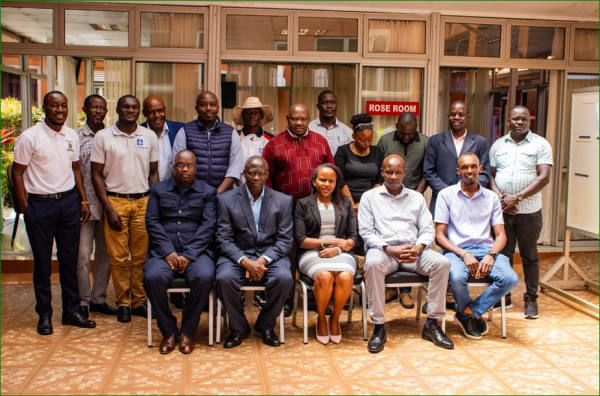
This session aimed at equipping government fertilizer inspectors with the skills and knowledge needed to oversee quality standards in Uganda
In a significant step toward enhancing Uganda’s agricultural landscape, Yara East Africa, in collaboration with the Ministry of Agriculture, Animal Industry and Fisheries (MAAIF), hosted a pivotal training session on October 31, 2024, at Eureka Hotel, Kampala. This session aimed at equipping government fertilizer inspectors with the skills and knowledge needed to oversee quality standards in Uganda’s agricultural inputs market, focusing on Yara’s innovative regenerative agriculture solutions.
This initiative is part of Yara’s broader commitment to transforming the agricultural sector into a climate-neutral, regenerative, and prosperous food system. The training programme covered several critical topics, including ways to protect farmers from counterfeit fertilizers, understanding regulatory requirements, and promoting sustainable agricultural practices. The goal is to create a resilient and thriving food system in Uganda that not only maximises yields but also ensures responsible resource use.
“Today’s engagement represents a meaningful step forward in ensuring that fertilizers reaching farmers across Uganda are safe, reliable, and of high quality,” said William Ng’eno, Yara East Africa’s Country Manager. He highlighted the significance of the collaboration with the Ugandan government in combating counterfeit products, which pose a risk to both Yara’s brand and the livelihoods of farmers. “By strengthening quality control, we aim to tackle the growing issue of counterfeit products in the market. Together, we are building a secure and productive agricultural sector for Uganda,” Ng’eno added.
The timing of this training is crucial as Uganda’s Ministry of Agriculture is actively working to create a competitive, profitable, and sustainable agricultural sector. According to Alex Otut, Senior Agriculture Inspector for Fertilizer Testing at MAAIF, developing a skilled workforce is essential to this vision. “Building competitiveness locally is now our focus, and developing skilled, competent workers is a key part of this effort. Today’s engagement with Yara has been instrumental in this regard. Our colleagues are now equipped to speak with expertise on fertilizers, which reinforces our goal of ensuring sustainable agriculture,” Otut noted.
John Mwanja, Assistant Commissioner for Agrochemicals, Crop Inspection, and Certification at MAAIF, echoed this sentiment. He praised Yara for consistently meeting high-quality benchmarks and emphasised the importance of proper fertilizer use. “At MAAIF, we regulate the quality of agricultural inputs, including fertilizers, ensuring Ugandan farmers have access to high-standard products. Our laboratory testing capabilities enable us to monitor and verify market standards. Our partnership with Yara will help ensure farmers have the knowledge they need to apply fertilizers correctly, empowering them to make the most of these inputs,” Mwanja stated.
Yara Uganda has taken proactive steps to address the challenges faced by local farmers, particularly the widespread knowledge gap. “One major challenge we encounter is the knowledge gap, which we’re addressing by deploying dedicated teams and establishing around 100 demonstration farms across the country. These sites allow farmers to see our products in action, experiencing the impact of new techniques and innovations firsthand,” explained John Rotich, Commercial Manager of Yara Uganda.
The company remains a vital player in Uganda’s agricultural sector, supplying approximately 30,000 metric tons of fertilizers annually for essential crops such as maize, coffee, horticulture, and sugarcane. Through an extensive network of 65 distributors and 650 stockists nationwide, Yara ensures that high-quality fertilizers are accessible to farmers, even in the most remote areas.
As Yara continues to deepen its collaborations with key stakeholders, the focus remains on delivering safe, reliable, and sustainable fertilizer solutions. The training session underscores Yara’s commitment to empowering Ugandan farmers and bolstering the country’s agricultural sector through capacity building, stringent quality control, and support for climate-friendly farming practices. This joint initiative marks a promising stride towards a more resilient and prosperous agricultural future in Uganda.