WHO DO THEY REPRESENT? SHOULD THEY MAKE US FEEL LIKE WE DON’T BELONG?
The Uganda National Students Association (UNSA), the National Youth Council (NYC), and other youth-focused entities claim to represent the dreams, aspirations, and struggles of Uganda’s youth. But ask any young Ugandan hustling to make ends meet, fighting through poverty, disease, misinformation, and disinformation, and you might get a very different perspective. For an organisation supposedly championing youth interests, why does it sometimes feel like these entities are little more than popularity contests – platforms for “come, eat your bread, and leave” leadership? If you’re in one of these leadership positions, I have one question: Who do you represent?
Youth Representation: A Look at the Numbers.
Uganda boasts one of the youngest populations in the world, with over 77% of its population under the age of 30. According to the Uganda Bureau of Statistics, youth unemployment hovers at an alarming 13.3%. Meanwhile, over 8 million youth struggle daily to survive in the informal sector, where job security and decent wages are foreign concepts.At the same time, youth representatives in entities like UNSA and NYC often seem more preoccupied with personal gain than tackling these issues. Whether it’s access to education, healthcare, or reliable information, the systemic challenges affecting Uganda’s youth remain largely unaddressed.In stark contrast, Kenya’s National Youth Council has demonstrated how effective youth representation can bring meaningful change. Kenya’s NYC provides targeted programs, including entrepreneurial training and funding for youth-led startups. Similarly, Rwanda’s National Youth Council has successfully mobilized young people for developmental projects, contributing to reduced unemployment and increased civic engagement. These success stories raise a difficult question: why is Uganda lagging?
Popularity Contests in Disguise?
Let’s be honest: a lot of youth-focused entities in Uganda feel more like talent shows than advocacy organizations. Elections are often marred by petty competition, favouritism, and the strategic distribution of sodas and chapati to lure voters. Once elected, representatives seem to vanish into the corridors of power, reappearing only to post photos of their latest “stakeholder engagement” – which usually looks suspiciously like a luxury lunch.The culture of “I have arrived” is pervasive. Youth leaders, instead of using their platforms to amplify the voices of their peers, often appear to focus on self-promotion. Initiatives are launched with much fanfare but lack follow-through, leaving many to wonder: are these leaders genuinely invested in the youth’s future, or are they merely stepping stones for personal political ambitions?
Comparative Lessons from East Africa.
Across the border, Kenya’s NYC has made significant strides in addressing youth unemployment through its Youth Enterprise Development Fund. The fund provides loans to young entrepreneurs and offers mentorship programs to equip them with the skills needed to thrive in today’s economy. By creating a clear link between youth representation and tangible outcomes, Kenya’s youth councils demonstrate how impactful such entities can be.Rwanda’s example is even more striking. The country’s National Youth Council has played a pivotal role in national development, leveraging the energy of young people to advance healthcare, education, and technology. This focus on results, rather than rhetoric, has earned Rwanda’s youth programs international recognition.Uganda’s youth councils, by comparison, have yet to deliver such transformative results. Instead, their reputation as platforms for political networking and personal gain persists, raising uncomfortable questions about their purpose and effectiveness.
Dark Humour and Stark Realities.
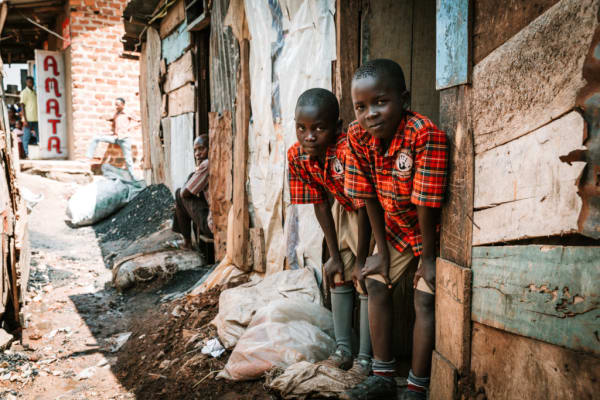
Let’s pause for a moment of dark humour. If Uganda’s youth councils were a reality show, it would probably be called Bread and Circuses: The Rise and Fall of Aspirations. Contestants would compete not in solving youth unemployment but in orchestrating the most dramatic photo ops. Winners would be crowned based on their ability to balance a plate of chicken at a conference while delivering vague speeches about “emerging challenges.”But the joke stops being funny when you consider the consequences. For every day that youth representatives fail to address poverty, misinformation, and health crises, countless young Ugandans fall further into despair. According to UNICEF, nearly 2.4 million young people in Uganda are out of school, while thousands more face preventable diseases like malaria and HIV/AIDS due to inadequate healthcare infrastructure.
What Needs to Change?
First, youth representation must shift from being a popularity contest to a platform for accountability and results. Representatives should be evaluated not on their charisma but on their ability to deliver tangible benefits to their constituents. Transparency is key: publish annual reports, set measurable goals, and let the youth themselves judge their leaders’ performance.
Second, these organizations need to create programs that address the real issues facing Uganda’s youth. Initiatives to combat unemployment, improve access to quality education, and provide reliable healthcare should be at the forefront of their agendas. Borrowing a page from Kenya and Rwanda, Uganda’s youth councils could introduce funding mechanisms for young entrepreneurs and vocational training programs tailored to the demands of the job market.
Finally, it’s time to amplify the voices of ordinary young people. Too often, youth councils operate in isolation, disconnected from the realities of the communities they claim to serve. By involving grassroots organizations, schools, and local leaders in their initiatives, youth councils can build trust and ensure that their efforts reflect the priorities of those they represent.
A Call to Action.
So, to those in leadership roles within UNSA, NYC, and similar entities, I ask again: Who do you represent? If your answer is genuine “the youth of Uganda,” then it’s time to prove it. Stop the pageantry and start addressing the systemic issues that keep Uganda’s youth locked in cycles of poverty and disenfranchisement.And to Uganda’s youth, don’t be afraid to demand better. Representation is not a gift; it’s a responsibility. Hold your leaders accountable, ask tough questions, and insist on results. Because when issues of national importance become mere popularity contests, we all lose.
DEAN NATUKUNDA.
natukundadean@outlook.com