Who Are Upcountry Outreach for Development—The Ambassadors of Reusable Diapers Fighting Environmental Pollution in Africa, and What Has Made Their Work Possible?
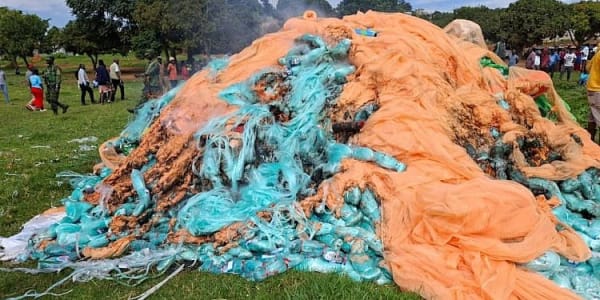
On the outskirts of Uganda's bustling communities, where heaps of discarded waste often compete with green landscapes for space, a quiet environmental revolution is taking shape.
The challenge is familiar across much of Africa. Every day, thousands of disposable diapers are discarded, filling landfills, clogging drainage systems, and contributing to a growing waste management crisis. Yet in Masaka and beyond, one organization is proving that simple community-driven solutions can transform both livelihoods and the environment.
At the center of this movement is Upcountry Outreach for Development (UOFD), a grassroots organization championing reusable and eco-friendly diapers as a practical response to environmental degradation. Through this initiative, UOFD is not only reducing waste but also empowering families, improving household hygiene, and inspiring communities to embrace sustainable living.
Leading this effort is community development advocate Florence Nabalema, whose vision has elevated UOFD into a recognized voice for environmental conservation. With determination and an unwavering belief in grassroots action, she has helped raise the banner of sustainability in communities where environmental concerns often compete with pressing economic realities.
But behind UOFD's growing influence lies a story larger than one individual.
Its success has been built through the collective efforts of communities, mothers, youth volunteers, health workers, and development partners who work tirelessly behind the scenes. Together, they have transformed an idea into a movement.
Communities at the Heart of Change
The true architects of UOFD's success are the communities themselves.
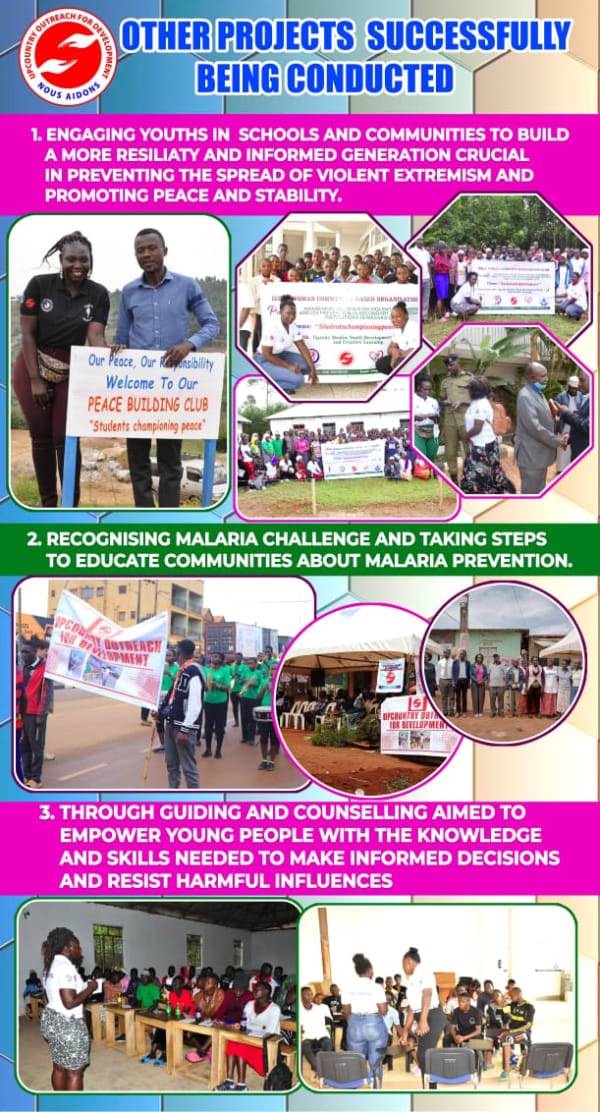
Across villages and urban settlements, mothers, caregivers, youth, and local leaders have become active participants rather than passive beneficiaries. Through community dialogues, sensitization campaigns, and outreach activities, residents contribute ideas and feedback that shape the organization's programs.
This bottom-up approach has ensured that interventions such as reusable diaper promotion, hygiene ed