The Uganda National Examinations Board (UNEB) has released the 2026 examination timetable, setting the stage for more than 1.6 million candidates to sit PLE, UCE and UACE.
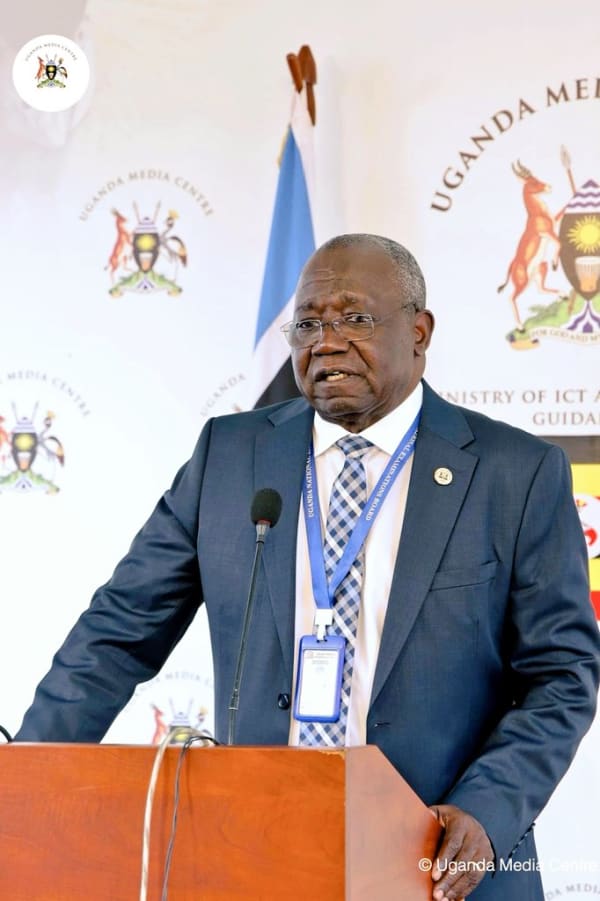
UNEB Executive Director Dan Odongo released the timetable at the Uganda Media Centre in Kampala on Wednesday, September 23, 2026.
“This is the timetable for the three sets of examinations, PLE, UCE and UACE,” Odongo said.
The examination season will start on Thursday, October 8, with the briefing of UCE candidates. Written examinations will begin the following week.
PLE candidates will be briefed on Friday, October 30, before sitting their papers the following week.
UACE candidates will attend their briefing on Friday, November 6. Their written examinations will start the following week.
Odongo said this will be the third group of UCE candidates assessed under the Competency-Based Curriculum.
The UACE candidates will make history as the first group to reach the level after sitting UCE under the new curriculum in 2024.
“For UCE, this is the third cohort of learners whom we are assessing under the Competency-Based Curriculum. The UACE candidates, these are the pioneers who took the first exam under the new curriculum in 2024,” Odongo said.
Schools can access the timetables through their UNEB portals. The Board has also printed hard copies for distribution with other examination stationery.
Odongo asked heads of examination centres to ensure every candidate receives a copy. UNEB has also published the timetables on its website and social media platforms.
Candidate numbers jump
UNEB had registered 1,627,885 candidates for the three examinations by the close of business on Tuesday, September 22.
The number is 211,437 higher than in 2025, representing a 14.9 per cent increase.
Female candidates account for 52 per cent of the total, continuing a trend in which more girls than boys reach the national examination stage.
About 52 per cent of all registered candidates are sponsored under the government's universal education programmes.
The 2026 candidature also includes 6,090 learners with special educational needs.