

Uganda Transitions Power Distribution from Umeme to UEDCL
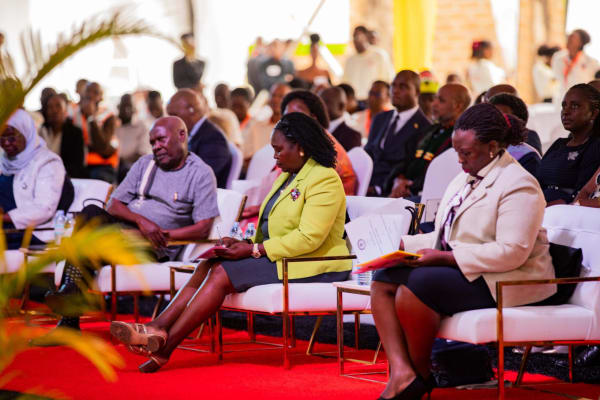
Minister Nankabirwa and other officials at the handover
On Monday, March 31st, 2025, a significant shift took place in Uganda’s power distribution sector as Umeme Ltd officially handed over its operations to the Uganda Electricity Distribution Company Limited (UEDCL).
This marked the end of Umeme’s 20-year concession, which had seen the company oversee power distribution across the country since 2005. The handover ceremony was presided over by the Minister of Energy and Mineral Development, Hon. Ruth Nankabirwa, and attended by key stakeholders in the energy sector.
During her address, Minister Nankabirwa welcomed the transition, stressing the importance of UEDCL’s new role in ensuring the country’s power distribution needs are met.
However, she also issued a stern warning to the newly appointed Executive Director of UEDCL, Paul Mwesigwa, highlighting the challenges ahead, particularly with the political season in full swing.
“This is a season of elections. It is a political season. Things will not be the same,” she stated. She cautioned Mwesigwa that power supply issues would be a key topic during the election campaigns, with political leaders likely to raise concerns about electricity availability in their communities.
Nankabirwa emphasized that the performance of UEDCL would be under close scrutiny, with President Yoweri Museveni’s campaign rallies potentially becoming platforms for power supply grievances.
She advised Mwesigwa to establish effective communication channels with the Ministry, stakeholders, and customers, ensuring that any outages are communicated in advance.
In addition to the political pressures, there were significant concerns raised about Uganda’s growing power demand. The outgoing CEO of Umeme, Mr. Selestino Babungi, warned that without significant intervention, Uganda could face a power deficit within three years.
He explained that the country’s electricity demand was growing at an alarming rate, outpacing supply, which could lead to shortages by 2028. Babungi urged the government to accelerate investments in power generation and transmission infrastructure to avoid a looming energy crisis.
The government, acknowledging the increasing demand for power, has already begun planning for additional capacity. A 400MW Kiba hydropower project is in the pipeline, which will further supplement the Karuma Hydropower Project and address the nation’s electricity needs.