Uganda strains under growing refugee influx from Sudan
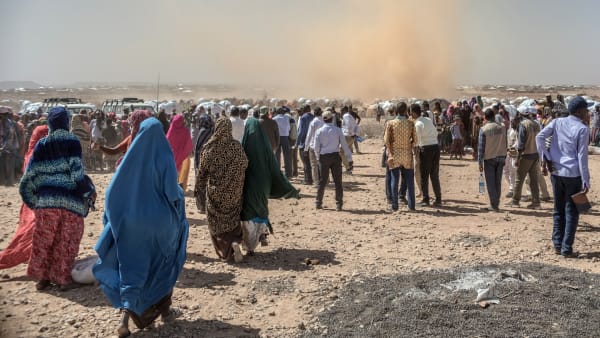
The majority of these refugees have settled in Kampala, with many holding university-level educations.
Uganda has long been a safe haven for refugees, and in recent months, the country has seen a significant influx of Sudanese arrivals, with over 33,000 people seeking safety from the ongoing war in their home country.
The majority of these refugees have settled in Kampala, with many holding university-level educations. However, this surge in arrivals, combined with funding shortfalls, is putting a strain on the country's protection and assistance services.
The UNHCR has reported that, on average, 2,500 people arrive in Uganda every week, primarily from the Democratic Republic of Congo and South Sudan, driven by conflict and climate-related challenges. While Uganda has been a beacon of stability in the region, embracing progressive policies that allow refugees freedom of movement and land ownership, the continuous influx of refugees is starting to take its toll.
Funding gaps are having a significant impact on critical services, including healthcare and education. Health centers are struggling with reduced staff numbers and insufficient supplies, making it difficult to meet the critical health needs of both refugees and host communities. An outbreak of conjunctivitis has also affected several refugee settlements. Schools are overcrowded, with a lack of teachers and educational materials, making it challenging for children to receive an education.
Protection services are also being hampered, with refugee registration facing lengthy delays due to a lack of necessary materials and equipment. Investments in income-generating activities for refugees have had to be curtailed, making it difficult for them to become self-sufficient.
The UNHCR has been advocating for additional resources, highlighting the importance of donor support in alleviating the plight of refugees and their host communities. Uganda's commitment to socio-economic inclusion and self-reliance for refugees is at risk due to funding shortfalls. The Uganda Country Refugee Response Plan requires $858 million to support over 1.67 million refugees and 2.7 million host community members, but has only received 13% of the required funds.
If funding continues to dwindle, Uganda's progressive policies may be undermined, forcing refugees to seek alternative destinations. In May, refugees began leaving for neighboring countries, citing a lack of support and reduced food rations. The situation highlights the need for increased support and funding to ensure that Uganda can continue to provide a safe haven for those seeking refuge.