Uganda Shilling Sinks to 33-Year Low as Dollar Demand Surges
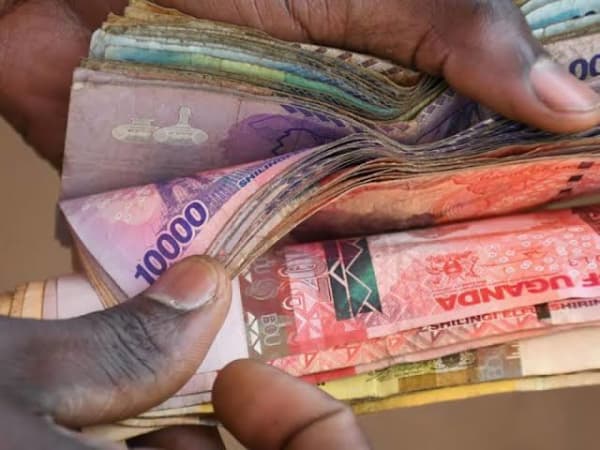
Uganda’s shilling has dropped to its weakest level in 33 years
The local unit traded at Shs4,143 per US dollar, its lowest level since at least 1993. It has shed more than 10 per cent of its value since August 25, 2026, the largest decline among 144 currencies tracked by Bloomberg during that period. The fall could squeeze businesses that import fuel, equipment and raw materials. Each dollar now costs more shillings, increasing import bills and the risk that businesses will raise prices to recover their costs. Citigroup estimates that investors withdrew about $200 million from Uganda’s markets within two weeks. Higher returns on dollar investments have encouraged them to move funds away from Ugandan bonds. Demand for foreign currency from local companies has added to the strain. The currency crossed the Shs4,000 threshold on October 5, 2026, closing at a mid-rate of Shs4,023.57. That compared with Shs3,966.90 the previous Friday, according to central bank data reported by President Yoweri Museveni has rejected using Uganda’s foreign-exchange reserves to support the shilling. He wants the country to reduce imports and increase dollar earnings from exports and tourism. Museveni singled out perfumes and human-hair wigs among imports he opposed supporting with reserves. He encouraged Ugandans to buy locally produced goods to ease demand for dollars. The Bank of Uganda has also indicated that it does not intend to intervene through direct dollar sales. Instead, it has reduced liquidity by requiring commercial banks to hold a larger share of their deposits as reserves. The requirement rose from 11 per cent to 13.5 per cent on September 24, 2026. By limiting funds available for lending and transactions, the measure could help contain pressure on the currency. Meanwhile, Uganda’s goods imports climbed to $2.31 billion in August, up 66.5 per cent from a year earlier. The increase pushed the trade deficit to a record, adding pressure on the country’s foreign-currency needs.Uganda’s shilling has dropped to its weakest level in 33 years, as investor withdrawals and growing demand for dollars deepen pressure on the currency.