Uganda Races to Meet EU Coffee Compliance Amid New Deforestation Rules
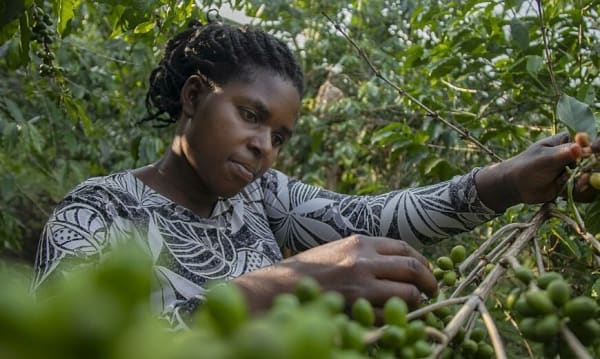
A Ugandan coffee farmer
Uganda is embarking on a nationwide registration of coffee farmers to comply with the European Union’s new Regulation on Deforestation-Free Products (UEDR). This initiative, led by the Uganda Coffee Development Authority (UCDA), aims to create a traceable database of coffee producers and key players in the value chain, ensuring that Ugandan coffee exported to the EU can be verified as not grown in deforested areas.
The UEDR, approved in December 2022, is set to be enforced for large companies by December 30, 2024, with small and medium enterprises (SMEs) required to comply by June 2025. Given the looming deadlines, Uganda is rushing to complete the registration within the next four months. The country’s coffee sector, which earned approximately USD 1.44 billion last year and sends 66% of its exports to the EU, is under pressure to meet these stringent standards to maintain its crucial European market.
Each coffee farmer, trader, processor, and exporter will receive a unique identifier as part of the registration process. The land where coffee is grown will also be mapped and coded, linked directly to the farmer. Farms smaller than 10 acres will need a single GPS point, while larger farms will undergo more detailed mapping using high-resolution technology capable of distinguishing coffee plants from other vegetation.
“We must ensure no one is left behind because losing the European market is not an option,” said Robert Nangatsa, UCDA’s manager of extension workers. “Farmers who refuse to register risk being excluded from trading with the EU.”
The registration process will be conducted using a dedicated app, with funding support from the Agricultural Business Initiative (aBi), a Denmark and Sweden-funded agency, initially covering 990,000 of Uganda’s 2 million coffee farmers. The Ugandan government will support the remaining registrations.
Despite the necessity of compliance, some industry leaders, like Samson Emong of Cafe Africa, have raised concerns about the complexity and cost of meeting the EU's requirements. Emong emphasized that coffee farming in Uganda has traditionally not been a driver of deforestation, yet the country must now provide evidence to support this claim.