Uganda, Kenya Hold Joint Border Commission Meeting In Jinja

The JBC brought together senior officials from both countries responsible for border security, immigration, customs, trade, infrastructure, health, agriculture, and local administration.
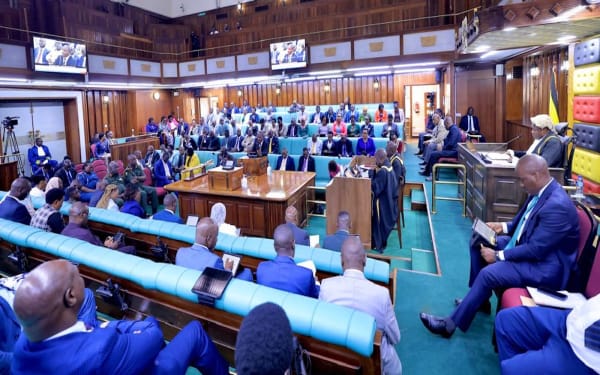
The Governments of Uganda and Kenya on November 26th held the 14th Session of the Uganda–Kenya Joint Border Commission (JBC) at the Source of the Nile Hotel in Jinja, reaffirming their commitment to strengthening bilateral cooperation and enhancing the management of shared borders.
Dr. Edith Namutebi, head of Department of Regional Peace and Security in the MoFA headed Uganda’s delegation to the bilateral meeting. The Kenyan delegation was led by Mr. Jacob Narengo, Principal Administrative Secretary in Kenya’s State Department for Internal Security and National Administration. The JBC brought together senior officials from both countries responsible for border security, immigration, customs, trade, infrastructure, health, agriculture, and local administration.
Focus on Strengthened Bilateral Collaboration
In her opening remarks, Dr. Namutebi, underscored the importance of sustained engagement between the two countries to ensure efficient border operations and improved service delivery to border communities.
The Chairman of the 14th JBC meeting, Mr. Emmanuel Walani, Undersecretary at the Office of the President, highlighted the need for harmonized procedures, enhanced security coordination, improved border services, and strengthened engagement with border communities. On behalf of Uganda, he expressed confidence that the session would produce practical, time-bound solutions that feed into existing bilateral frameworks.
Mr. Narengo conveyed appreciation to the Government of Uganda for hosting the session and reaffirmed Kenya’s commitment to deepening cooperation in areas including border security, immigration management, transport infrastructure, public health, livestock movement, environmental management, and community relations. The delegates emphasized the importance of seamless cross-border movement and efficient service delivery for the millions who rely on shared border facilities.
Guest of Honor Highlights Key Outcomes
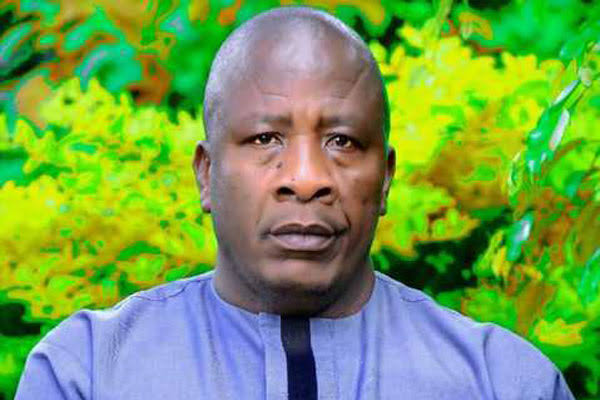
The Guest of Honor Hadji Yunus Kakande the Secretary Office of the President emphasized the importance of continued cooperation between regional partners, highlighting ongoing coordination efforts involving Kenya, Uganda, and other stakeholders. He noted that several key resolutions“at least six,” he stated have been jointly advanced by the two governments to support peace, stability, and improved operations across borders.
He underscored the significance of strengthening leadership, enhancing organizational capacity, and opening new areas of operation, particularly in migration and immigration management. He also pointed to progress in cross-border communication and the establishment of frameworks that will benefit communities on both sides.
The Guest of Honor expressed confidence that the deliberations of the current meeting would contribute to long-term development goals, improved public services, and shared prosperity. He reiterated the need for proper use of resources, continued dialogue, and collaborative problem-solving, noting, “We move forward with passion and purpose,” reaffirming the commitment of participating governments to work together on issues affecting regional stability, economic growth, and the well-being of their citizens.
Both delegations noted that the session follows recent bilateral directives issued by H.E. Yoweri Kaguta Museveni, President of the Republic of Uganda, and H.E. William Samoei Ruto, President of the Republic of Kenya, during their meeting of 30 July 2025. The directives emphasized strengthening border operations, improving infrastructure, enhancing people-to-people exchanges, and promoting trade and joint development initiatives.
Delegates acknowledged the need to address ongoing challenges affecting border efficiency, including delays in clearance processes, harmonization of standards, and coordination among relevant agencies, from which the JBC sessions will review progress since the last meeting in 2019 to identify gaps and agree on actionable measures to improve border governance.
Both countries reaffirmed their commitment to cooperative border management, regional integration, and the enhancement of security, trade, and community development along the shared boundary. The JBC deliberations will continue over the next sessions with the aim of delivering implementable decisions that advance bilateral cooperation.