Uganda Government Proposes Huge Salary Enhancements for RDCs
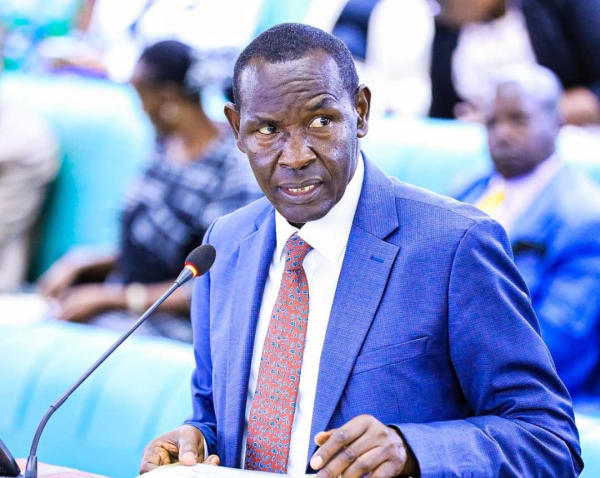
Alex Byarugaba, Chairperson of the Presidential Affairs Committee
The Ugandan government has proposed significant salary increases for Resident District Commissioners (RDCs), their deputies, and assistants.
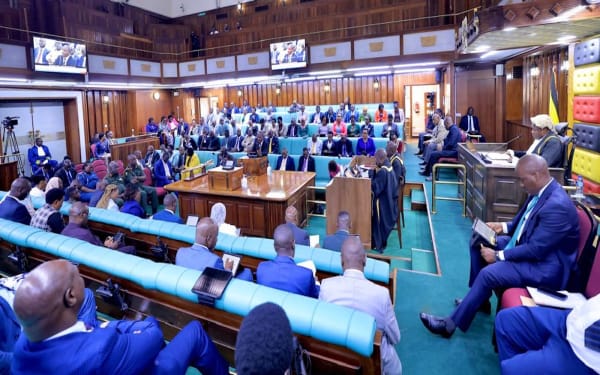
According to a report presented in Parliament by Alex Byarugaba, Chairperson of the Presidential Affairs Committee, during discussions on the 2026/27 Ministerial Policy Statement for the Office of the Presidency, the salaries of these officials have remained unchanged for nearly 20 years.
Under the proposal, an RDC’s monthly salary would rise from UGX 2,293,200 to UGX 9 million. Deputy RDCs would see their pay increase from UGX 1,282,369 to UGX 5 million, while Assistant RDCs would move from UGX 877,216 to UGX 2,695,000. The total additional cost to the national budget is estimated at UGX 29.078 billion annually for salaries alone.
Byarugaba noted that the committee recognized the impact of inflation on purchasing power and the need to align RDC remuneration with that of other public servants, such as District Chief Administrative Officers, over whom RDCs exercise oversight roles. Cabinet had proposed an increment of UGX 6,706,800 for RDCs, with adjusted figures for deputies and assistants. With 146 RDCs, 170 Deputy RDCs, and 432 Assistant RDCs currently in position, the enhancements would require UGX 11.75 billion for RDCs, UGX 7.59 billion for deputies, and UGX 9.73 billion for assistants in the coming financial year. The committee recommended allocating UGX 29.079 billion to cover these changes.
The growing number of RDC appointments has drawn public attention and discussion in recent years. Critics, including some Members of Parliament, have questioned the size of the structure, describing it as large relative to the number of districts and raising concerns about the overall cost to taxpayers. During parliamentary sessions on the budget, MPs expressed mixed views, with some supporting improved facilitation for the officials while others called for a review of the numbers to ensure efficiency.
The proposal comes amid broader national conversations about public spending priorities, including salary adjustments for other public servants. Supporters argue the adjustments are necessary to maintain motivation and attract capable individuals to the roles, which involve coordination and oversight at the district level. Opponents have highlighted competing needs in sectors such as health, education, and infrastructure.