Susan Magara Murder: Court Hands 2 Convicts Death Sentence, Seven Get Life Terms
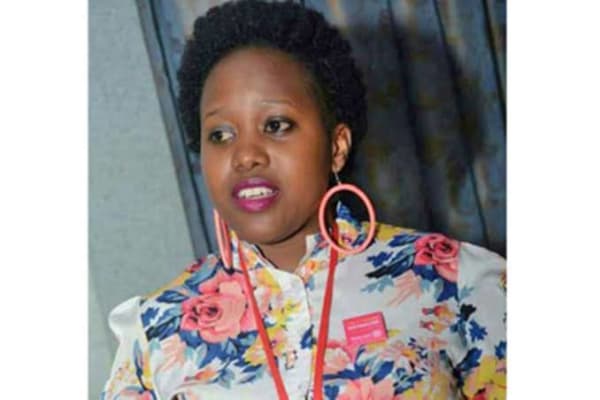
Late Susan Magara
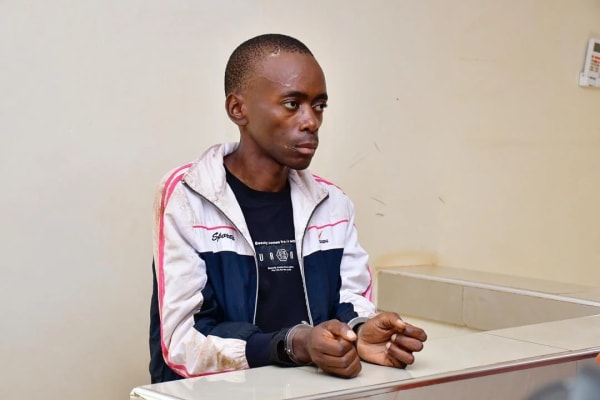
Two people convicted over the 2018 kidnapping and murder of businesswoman Susan Magara have been sentenced to death, while seven others will spend the rest of their lives in prison.
High Court Judge Alex Mackay Ajiji on Wednesday, August 5, 2026, sentenced Hajara Nakandi and Abbas Musa Buwembo to death after finding their involvement in the killing of the 28-year-old warranted the harshest punishment under the law.
The other seven convicts — Yusuf Lubega, Mahad Kisalita, Ismail Bukenya, Abubaker Kyewokya, Hassan Wasswa, Hussein Kato Miiro and Muzamir Ssali — were handed life sentences.
The court also directed that properties purchased using ransom proceeds be confiscated and sold, with the money given to Magara’s family.
Magara, the daughter of businessman John Magara, was abducted on February 7, 2018, as she drove through Lungujja in Kampala.
At the time, she was speaking to a friend on phone, who later told investigators that the conversation ended after hearing a struggle and her screams. Her Toyota RAV4 was later found abandoned, with the engine running and her mobile phones inside.
The kidnappers kept her in captivity for about three weeks while demanding money from her family. Although they initially sought a ransom of up to $1 million, they eventually received about $200,000 (approximately Shs700 million).
During the ordeal, the kidnappers cut off two of her fingers and sent them together with a video of her pleading for help in an attempt to force her family to pay.
However, after receiving the ransom, they killed Magara and dumped her body at Kitiko-Birongo along the Entebbe Expressway, where it was discovered on February 27, 2018.
Evidence presented in court showed that she was injected with ketamine before she died from suffocation.
During sentencing, prosecutors described the crime as one of the most brutal kidnapping cases in Uganda, arguing that it involved careful planning, financial motives and extreme cruelty.
The prosecution said Nakandi provided the location where Magara was held and played a role in the decision to eliminate her, while Buwembo was directly involved in the torture and killing.
Other convicts were accused of helping execute different parts of the operation, including monitoring Magara, guarding her during captivity, transporting her, delivering supplies, collecting ransom and benefiting from the money.
The suspects were arrested in April 2018 during a joint operation involving police, the Uganda People’s Defence Forces and military intelligence.
Prosecutors told court that the group had planned the operation at Usafi Mosque in Mengo-Kisenyi, Kampala, after targeting Magara because of her family’s financial standing.
All nine denied the charges and remained on remand for years as the trial progressed.
The prosecution relied on evidence from more than 40 witnesses, alongside DNA results, phone records, digital evidence, financial documents and other forensic findings.
On August 3, 2026, Justice Ajiji convicted all nine accused, ruling that they jointly participated in Magara’s abduction, held her captive, demanded ransom and killed her to prevent her from identifying them.
The sentencing closes a major chapter in one of Uganda’s most closely followed criminal cases, although alleged masterminds Yakub Byensi and Hakim Lugolobi remain at large.