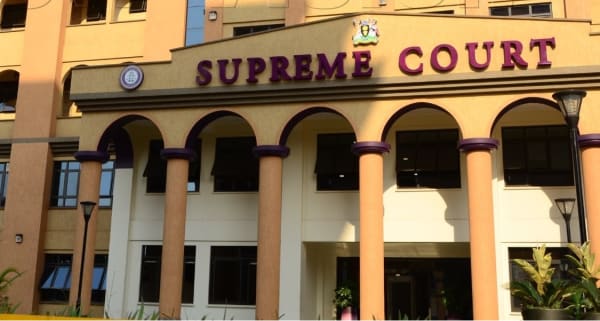
Uganda’s Supreme Court has ruled that the UPDF General Court Martial has no jurisdiction over civilians, declaring several provisions of the UPDF Act unconstitutional. The decision brings relief to numerous civilians facing military trials and is expected to shift all such cases to civilian courts.
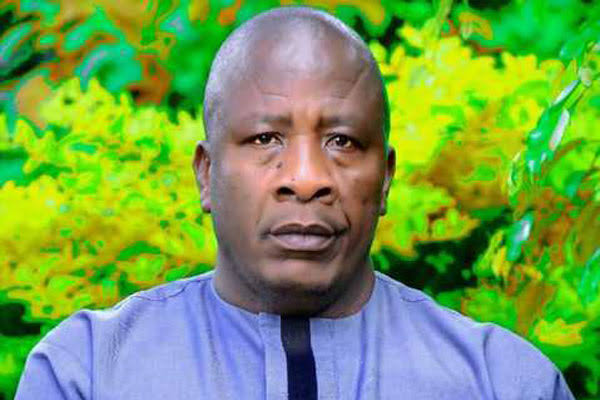
The ruling follows a petition filed by former Nakawa MP Michael Kabaziguruka, who challenged his 2016 trial before the General Court Martial, arguing that it violated his constitutional rights.
Delivering the ruling, Chief Justice Alphonse Owiny-Dollo stated that provisions of the UPDF Act granting the Court Martial power to try civilians contravened the Constitution.
“The UPDF Act provisions which grant the military court exercise of judicial power of detention and imprisonment of any person tried by them contravene Articles 23, 126(1), and 121 of the Constitution,” ruled the Chief Justice.
The justices ruled that Section 119 of the UPDF Act, which allowed the military court to try civilians for allegedly aiding and abetting military offences, was unconstitutional. They also found that the Court Martial lacked independence and impartiality, undermining fair trial rights.
The Supreme Court highlighted deficiencies in the Court Martial’s setup, particularly its jury composition, which favours military control. Justice Monica Kalyegira Mugenyi suggested that the Court Martial should have civilian judges appointed by the Judicial Service Commission, rather than being dominated by military officers.
Justice Catherine Bamugemereire ruled that while the Court Martial has a role in disciplining military personnel, its power should not extend to civilians.
The Supreme Court ordered all ongoing and pending trials of civilians before the Court Martial to cease immediately, with cases transferred to ordinary courts. However, the judgment does not apply retroactively to past convictions unless they are currently under appeal.
This ruling marks a significant legal shift, reinforcing the principle that civilian cases must be handled by civilian courts, ensuring fair trials and judicial independence.