Record UCE Exams Commence Amidst Teacher Supervision Crisis
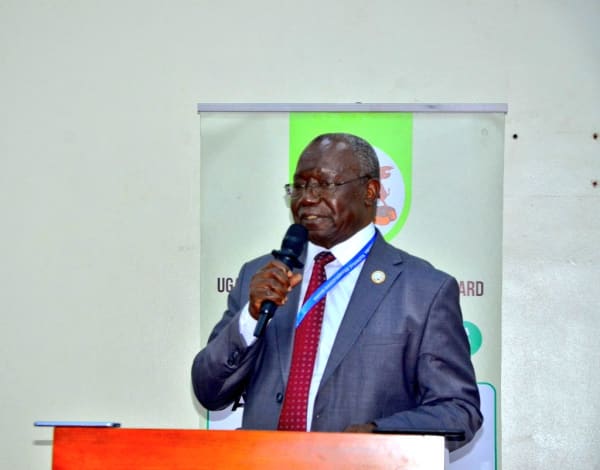
UNEB’s Executive Director, Dan N. Odongo,
The 2025 Uganda Certificate of Education (UCE) examinations have officially begun, marked by the briefing of a record-breaking number of candidates across the nation.
A total of 432,159 learners are expected to sit their papers this year from 4,308 centres, representing a substantial 12.1% increase over last year's figures.
The Uganda National Examinations Board (UNEB) confirmed the successful start of the briefing process, but the commencement is overshadowed by the ongoing industrial action by arts teachers, who form the crucial backbone of the exam supervision structure.
The massive increase in the 2025 candidature highlights the continued expansion of secondary education in Uganda. Out of the 432,159 expected candidates, 52.7% are female, slightly outnumbering their male counterparts (47.3%).
The data also shows the continued impact of government support, with 154,637 (36%) of the learners being sponsored under the Universal Secondary Education (USE) Programme.
Furthermore, six hundred and seventy-nine candidates are classified as Special Needs Education (SNE) candidates, for whom UNEB has deployed 190 support personnel to ensure they receive the necessary assistance throughout the examination period.
UNEB has reaffirmed its commitment to the examination theme, “Embracing security and holistic assessment of learners in a dynamic environment.”
Examination security remains a major concern, and the Board is partnering with various security agencies as well as contracted professionals and Heads of Centers to prevent malpractice.
The Board issued a stern warning against any involvement in cheating, reminding the public and invigilators of the severity of the UNEB Act, which outlines penalties of up to ten years' imprisonment or substantial fines for anyone found facilitating or engaging in cheating. Furthermore, the Board cautioned contracted personnel against active involvement in political campaigns during their period of service.
The smooth running of the exams faces an immediate operational challenge due to the continued industrial action by the Uganda National Teachers' Union (UNATU). UNEB took note of the concerns of the striking arts teachers, whose action stems from a demand for salary parity with science educators.
However, the Board made a public request for the teachers' "indulgence" to assist with supervision for a few days, emphasising the need to effectively assess the learners they have taught.
This appeal followed the earlier, firm statement from UNATU General Secretary Philbert Baguma, who maintained that none of their members would participate in supervision as the strike remains "ongoing," forcing UNEB to rely heavily on chief scouts and alternative personnel.
Despite the logistical complexities, UNEB’s Executive Director, Dan N. Odongo, sought to instil confidence in the thousands of young people beginning their assessments. He concluded the official statement by stressing that the examination's true purpose is to assess the candidates' level of achievement and not to fail the learners. “This examination is not an end in itself. It is simply meant to align the candidates to their career paths,” Mr. Odongo stated. He advised candidates to approach the examination without panic, follow instructions diligently, and have confidence that they will effectively write and pass their assessment.