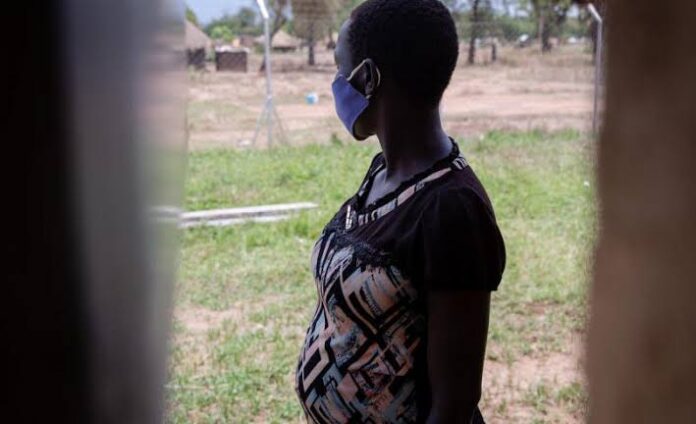
Reach A Hand Uganda on Monday 18 October held a Pre-intergenerational dialogue webinar to bring together all generations to dialogue and come up with solutions concerning adolescent health for sustainable social and economic development.
The webinar was held under the theme, “The Statutory Rape Pandemic: Rising cases of Teenage Pregnancies, a threat to the realization of Uganda’s 2030 Agenda for Sustainable Development.”
The session was moderated by the Development Professional and Master Trainer on Adolescent and Youth Sexual and reproductive Health and Rights, Bakshi Asuman.
The lineup of keynote speakers at the webinar included; the Associate Director, Center for Policy Analysis, Reagan Wamajji, Human Rights lawyer and Women Rights Activist, Women’s Pro Bobo Initiative, Bukirwa Marie, President, Youth Advisory Committee, SRHR Alliance, Kayaga Mariana, and Public Health Graduate and Peer Educator, Reach A Hand Uganda, Chris Kayizzi.
While giving the opening remarks for the webinar, Benson Muhindo, the Head of Programs, Reach A Hand shared an experience of a mother whose two teenage daughters got pregnant during the two lockdowns. “We cannot normalize teenage pregnancies,” he said.
He added, highlighting the cycle of poverty that is most likely to happen to teenage mothers and their children presented in different research findings. He emphasized further, the effort that RAHU and other Civil Society Organizations are working to put an end to this trend.
Bakshi, the session moderator also highlighted the different news reports that have put a spotlight on the extent of teenage pregnancies around the country and the urgent need to address them.
“If we don’t address the implications of teenage pregnancies now, then the attainment of our development plan will become a challenge,” he said.
Reagan Wamajji emphasized the need for collection of realtime data on teenage pregnancies as a crucial step to addressing the challenge.
“We need to continue relating increase in rise of teenage pregnancies as a matter of national security and be deliberate in ending this issue using data,” Reagan Wamajji said.
“We need data centralized and made available to be able to know who, where, and how many young girls are getting p[regnant and being sexually violated. Reach A Hand did a great job in recording and reporting cases of teenage pregnancy through the media platforms” he added.
Chris Kayizzi, a Peer Educator at RAHU spoke about the effects that a pregnancy brings to a young girl, which makes it hard for them to resume school even when the resources are in place.
“When a young girl gets pregnant, they are most likely to face maternal death because their bodies are not ready for childbirth,” Kayizzi said.
“Even though there are policies that support girls going back to school after giving birth, most of them are challenged psychologically when trying to fit in to the school environment,” he said.
Bukirwa Marie a Human Rights Lawyer said ignorance cannot be used as a defence when it comes to the violation of girls’ rights.
“Lack of knowledge is not defense. The major challenges we face is lack of information and knowledge on the enabling laws. A number of people are illiterate when it comes to laws on defilement and rape,” she said.