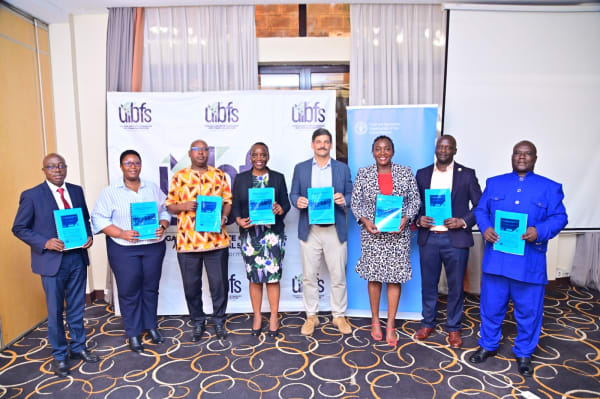
Up to 12 industrial hubs will be starting full operations by the 23rd of July and each hub will admit a total of 300 youths per semester who will be studying on a residential basis for 6 months.
The hubs have been created as one-stop centres for skilling and production. The machine capacity of 300 learners per semester makes them 600 learners per year each zonal hub, bringing the total number of trainees to 12,600 annually.
The hubs are aimed at mitigating the challenge of unemployment among the youths and have more people join the money economy.
Director of Industrial Hubs and Presidential Projects in State House Eng. Ray Kamugisha said that the Industrial Hubs will go a long way in acting as key centres for transforming the lives of Ugandans across the country.
“We will have two intakes per year with each admitting 300 youths, who will train for 6 months in skills of shoe making, carpentry, tailoring, knitting and weaving, baking, masonry, brick laying, plumbing and electronics among others,” Kamugisha said.
Ms. Jane Barekye the State House Comptroller asked youths to take advantage of these industrial hubs by learning the necessary skills to generate income.
“Please, use this opportunity as Industrial Hubs managers to contribute positively towards the development of our Country by serving diligently at all times to ensure the success of the skilling program in your respective regions,” she said.
Each hub will accommodate 300 youths training in different skills for 6 months and will be residing at their respective hubs.
“Ensure strict discipline among the learners any form of indiscipline such as immoral behaviors will discredit the main objectives of the skilling programme.”
Speaking about the origin of the idea of Industrial Hubs program in April, Barekye said that; “During campaigns the President realised so many youths were unemployed and very vulnerable. In his wisdom, he designed a program that would help the youths generate money & be part of the money economy.”
The 21 Zonal Industrial Hubs under the Presidential Initiative on Skilling Uganda and managed under State House are set to revolutionise youth empowerment and in the drive to transform Ugandan society from a predominant peasant and low-income economy to a competitive Middle Income economy.