Parliament Finally Admits Extra Costs in Controversial Regional Sittings
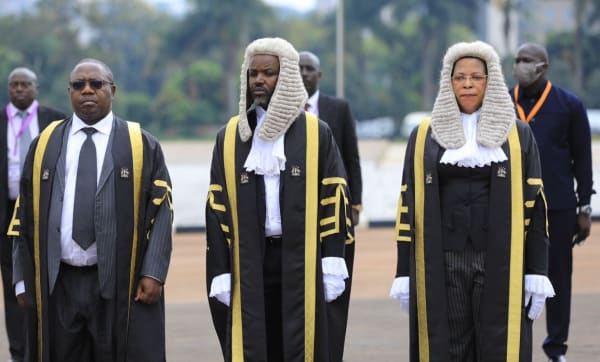
The decision to hold these sittings outside the capital, Kampala, has sparked widespread condemnation,
In response to growing public outrage over the expenditure of taxpayers' money, Parliament's spokesperson Chris Obore issued a statement on August 22, 2024, acknowledging the additional costs associated with the planned regional sittings of Parliament.
The decision to hold these sittings outside the capital, Kampala, has sparked widespread condemnation, including from some Members of Parliament (MPs) who have vowed to boycott the initiative.
Obore's statement came after criticism from various quarters, questioning the necessity and financial implications of relocating parliamentary sessions to regions such as Gulu. He emphasized that the regional sittings are intended to bring Parliament closer to the citizens, aligning with the values of a people-centered and transparent Parliament. "The leadership of Parliament is convinced that holding sittings in the regions will ease the oversight, legislative, and appropriation functions of Parliament," Obore stated.
Despite the justification for the initiative, Obore admitted that the sittings would incur extra costs. He noted that Members of Parliament and selected staff participating in these regional sittings would receive a rated subsistence allowance to cover their living expenses.
While admitting that the sittings would involve significant expenditure, Obore assured that measures would be taken to use resources sparingly and focus on addressing the pressing challenges in the regions.
“The ultimate audit and value for money for these sittings will be assessed at the end of the exercise,” Obore said, emphasizing the importance of ensuring accountability. He further explained that the regional sittings are aligned with the budget processes for the Financial Year 2025/2026, as mandated by the Public Finance Management Act. This timing, he argued, would allow Parliament to better understand and address regional issues.
Obore also highlighted that the regional sittings offer an opportunity for MPs to directly engage with citizens and assess the impact of government programs in various parts of the country. “Parliament hopes to attain better results with Parliament fully getting to citizens, which is believed will yield higher engagement and foster a better understanding of the roles of Members of Parliament,” he added.
However, the idea of moving Parliament's sittings to different regions has not been well received by all. Several MPs and members of the public have expressed concerns over the extravagance of such an initiative, particularly at a time when the country faces economic challenges. Critics argue that the costs associated with travel, accommodation, and allowances for MPs and staff could be better spent on more pressing national issues.
In response to these concerns, Obore reiterated that Parliament is committed to transparency and accountability. He pointed out that the institution is audited by the Auditor General and other oversight bodies, ensuring that all expenditures are scrutinized for value for money.