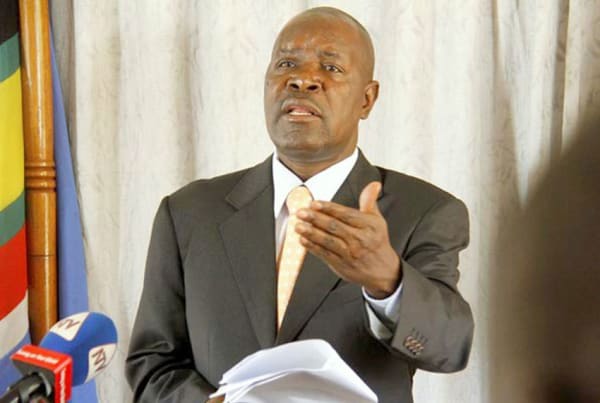
Uganda's Government Spokesperson, Ofwono Opondo, has sharply criticized the government's response to recent anti-corruption protests, accusing it of shielding corrupt officials. In an opinion piece, Opondo expressed disappointment with the current state of affairs, describing the protests as having "nuisance value" rather than being a genuine effort to address corruption.
Opondo accused some individuals leading the protests of seeking personal validation, suggesting they may not fully understand the implications of their actions. He highlighted the government's failure to address the complaints of Uganda's youth, which has tarnished the country's image as a democracy and a destination for tourism and investment.
Drawing comparisons with Kenya, Opondo noted that Uganda's Gen Z is attempting to mimic their Kenyan counterparts, who successfully pressured President William Ruto to address their concerns. However, he criticized the Ugandan government's response, stating that it had chosen to confront peaceful protesters with brute force rather than engaging in civic persuasion and ideological engagement, the hallmark of the National Resistance Movement (NRM) in its early years.
Opondo condemned the government's efforts to label arrested protesters as "common nuisances" and accused it of framing those demanding transparency from elected leaders as traitors or pawns of foreign interests. He pointed out that corruption among ministers, MPs, and other public servants is widespread and well-documented, making such accusations disingenuous.
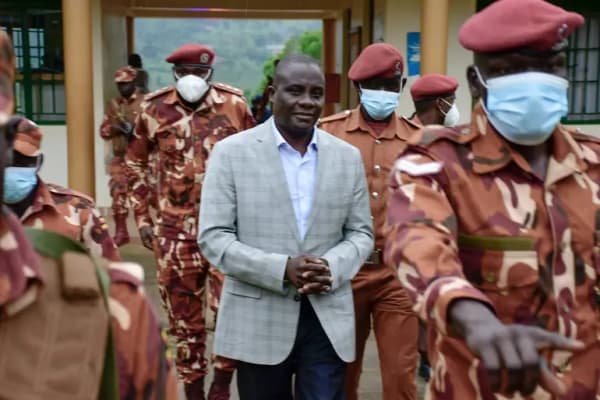
He also expressed concern over the heavy military presence on the streets, which he argued paints an unappealing picture of the country. Opondo warned against fabricating or exaggerating intelligence reports to justify the crackdown on protesters, citing past instances where such actions led to government embarrassments.
In his concluding remarks, Opondo urged the government to engage constructively with corruption complainants and assure the public that their concerns are being addressed. He emphasized that the majority of Ugandans are closely watching the situation, with many unconvinced that calls for accountability are merely the result of negative foreign influences.
Opondo's outspoken stance reflects a growing divide between the government's approach and public sentiment, as Uganda grapples with the complex issue of corruption and the demand for greater transparency and accountability from public officials.