Non-Aligned Movement Concludes Midterm Summit in Uganda, Pushing for Global System Reform

From Left Mrs. Margarate Kafeero Head Public Diplomacy, Mr. David Wamono, Ms. Zoe Kirunda, Mrs. Sara Nakamya Deputy Head Protocol and Amb. Charles Ssentongo Head Protocol pose for a photo.
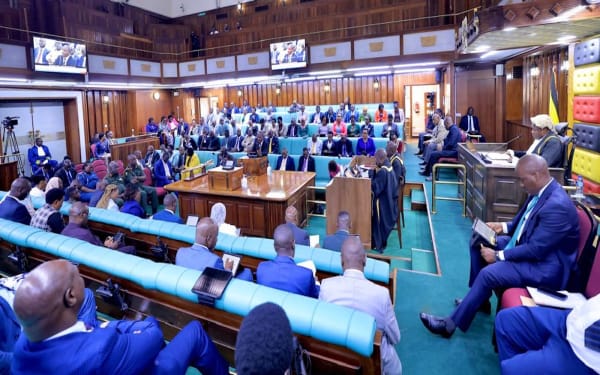
The Republic of Uganda successfully wrapped up the 19th Midterm Ministerial Meeting of the Coordinating Bureau of the Non-Aligned Movement (NAM) on Friday, concluding four days of intense discussions at the Commonwealth Speke Resort Munyonyo.
The summit, held under the resonant theme “Deepening Cooperation for Shared Global Affluence,” reaffirmed the organisation's lasting relevance and commitment to fostering a more equitable and inclusive global order.
The meeting served as a powerful platform for over 120 Member States, Observer Nations, and Partner Organizations, including representatives from the African Union (AU), the United Nations (UN), and the Group of 77 and China. Throughout the proceedings, delegates repeatedly commended Uganda for its “exemplary and dynamic stewardship” since assuming the chair of the Movement at the 19th NAM Summit in January 2024. The high level of participation underscored the renewed resolve among members to strengthen multilateral cooperation.
The event was officially opened on 13 October 2025 by H.E. Yoweri Kaguta Museveni, President of the Republic of Uganda and current Chair of the Non-Aligned Movement. President Museveni used his address to anchor the discussions firmly in NAM’s founding principles: the protection of national independence, sovereignty, and dignity.
In a forward-looking pronouncement, the President urged Member States to move beyond old dependencies by harnessing science, technology, and innovation as essential tools for national liberation and overcoming underdevelopment. Furthermore, he issued a direct challenge to the current international structure, advocating for thorough reforms to the global economic and financial systems to guarantee equal opportunities and ensure that the prosperity of one nation reinforces, rather than undermines, that of others.
Over the four-day period, ministers and senior officials engaged in substantive and constructive dialogue across a broad spectrum of political, social, and economic matters. The culmination of these efforts was the adoption of a forward-looking and unified outcome document.
The key issues addressed in the deliberations spanned critical global challenges, including global governance reform, strengthening South–South cooperation, tackling unilateral coercive measures, and providing robust support for Palestine. Discussions also focused heavily on pressing developmental concerns such as climate change, sustainable development, debt relief, economic transformation, gender equality, and youth empowerment, signaling NAM’s commitment to translating its principles into tangible progress for its member populations.