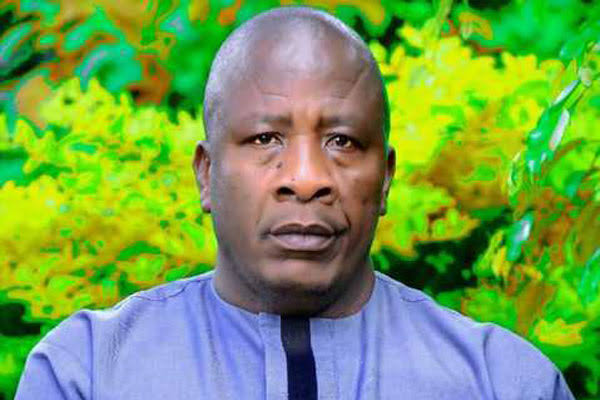
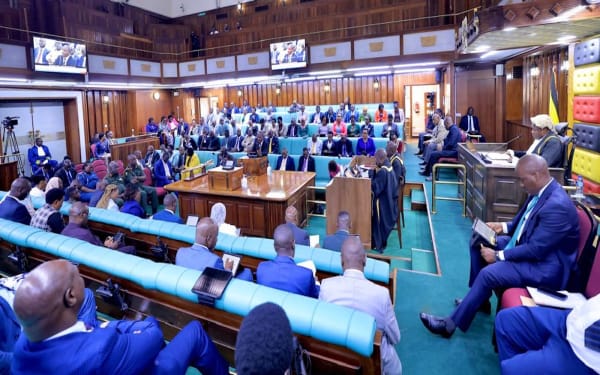
New Attorney General Dr Sam Mayanja has opened his tenure with a direct challenge to the Judiciary, saying it must move faster to clear Uganda’s growing case backlog.
Mayanja, who took office on Wednesday after replacing Kiryowa Kiwanuka, said the courts can no longer blame poor pay, few judges or weak facilities for delays in hearing cases.
He said President Yoweri Museveni’s government had improved judges’ pay, retirement benefits and office space. He added that the number of judicial officers had also increased.
“I am a bulldozer of some sorts and I always want to change things wherever I go. I just assumed office today as the Attorney General and I believe there must be things there which are cracking people’s heads,” Mayanja said.
He said the main problem facing the Judiciary now is performance.
“The dilemma in the Judiciary today is performance,” he said.
Mayanja cited Chief Justice Alfonse Owiny-Dollo’s recent remarks that land cases alone could take years to clear.
He proposed that the Chief Justice appoint experienced lawyers from private practice to serve as temporary judges for one year.
“The law provides that where such a situation exists, the Chief Justice can turn to the bar and enlist new judges. He can for instance appoint 30 lawyers to act as judges for one year, then finish all the cases and go back to the bar,” he said.
Mayanja argued that this would clear cases without permanently expanding the Judiciary’s payroll.
“The Judiciary will remain with its lean staff, and the government will not have to buy cars, provide bodyguards and all those perks that come with new judges,” he said.
His remarks fit the public image he built as State Minister for Lands, where he often made direct interventions in land disputes and clashed with powerful interests.
During his time in the Lands docket, Mayanja openly challenged the Buganda Land Board and questioned some land claims linked to the Buganda Kingdom. His position on mailo land and kingdom-administered land drew sharp criticism from Mengo officials and some leaders from Buganda.
He also stirred controversy after questioning ownership claims over disputed land, including matters linked to Kaazi, and calling for changes in the way some land records were handled.