Navigating Ugandan Citizenship: Gov't Clarifies on Requirements for IDs and Passports
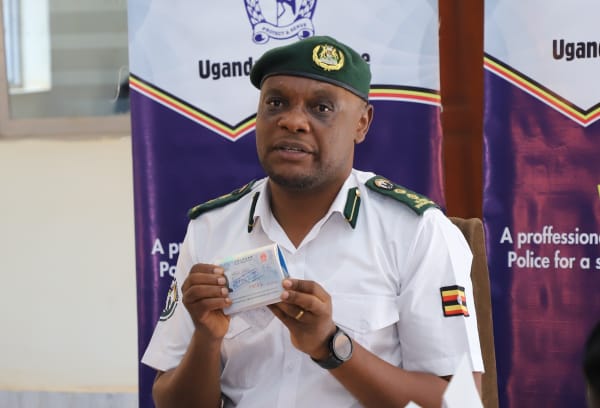
Simon Mundenyi, the ministry spokesperson
The Ugandan Ministry of Internal Affairs has issued a statement clarifying the criteria for obtaining Ugandan citizenship and travel documents, following recent controversies surrounding the denial of IDs and passports to some Ugandan residents.
The statement, released on July 10, 2024, by Ministry Spokesperson Mundeyi Simon Peter, emphasizes that Ugandan citizenship is determined by birth or naturalization. To qualify for citizenship by birth, a person must have at least one parent or grandparent who belonged to one of Uganda's indigenous communities listed in the 1995 Constitution as of February 1926. Simply being born in Uganda is not sufficient.
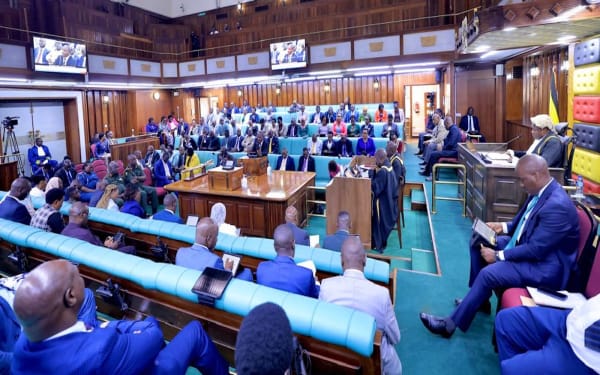
The Ministry acknowledges the concerns raised by the Council for Abavandimwe, an association representing Banyarwanda natives born and raised in Uganda. In April 2024, the Council petitioned Parliament, citing difficulties obtaining national IDs and passports for their members.
The Ministry's statement clarifies that Banyarwanda who do not meet the criteria for citizenship by birth can still apply for naturalization if their family immigrated to Uganda after February 1, 1926. Naturalization requires residing in Uganda for at least 20 years, demonstrating language proficiency, having a clean criminal record, and intending to make Uganda a permanent home.
The Ministry encourages individuals to seek information from credible sources like the Constitution and the Citizenship and Immigration Control Act. They warn against social media posts that lack understanding of the law and urge people to follow proper procedures.
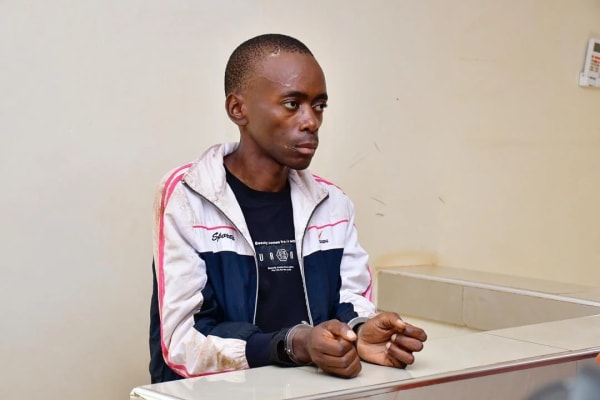
The statement also highlights the Ministry's efforts to combat fraudulent attempts to obtain Ugandan travel documents. They recently apprehended a Rwandan national, Nkubito Sam, who tried to acquire a Ugandan passport using a false identity.
The Ministry claims criminal organizations train individuals to falsely claim Ugandan citizenship for extremist activities. They urge Ugandans to report such activities to the authorities.
Addressing the Council's Concerns
The Ministry's statement appears to address the Council for Abavandimwe's concerns indirectly. By clarifying the legal framework for citizenship and naturalization, the Ministry offers a path for Banyarwanda who do not qualify for citizenship by birth to obtain Ugandan IDs and passports.
Unresolved Issues
While the statement provides some clarity, it doesn't explicitly address the Council's allegations of discrimination against Banyarwanda during the application process. The confiscation of IDs at border points and inconsistencies in the National Identification Registration Authority (NIRA) system remain unresolved.
Looking Ahead
The Ministry's statement and the Council's petition highlight the complexities of citizenship in Uganda. It remains to be seen if the Ministry will address the specific concerns raised by the Council regarding alleged discrimination during the application process. Open communication and a commitment to upholding the legal framework will be crucial in resolving this ongoing issue.