Museveni Endorses Cost-Sharing Policy for Foot and Mouth Disease Vaccination
President Yoweri Museveni
Cabinet chaired by President Yoweri Museveni has approved a strategy presented by the Ministry of Agriculture to tackle the widespread Foot and Mouth Disease (FMD) crisis in Uganda.
This strategy introduces a shared financial responsibility model for the compulsory vaccination against FMD, involving contributions from both the government and farmers.
Last evening, Minister Frank K. Tumwebaze announced that during a Cabinet meeting at State House Entebbe, the critical issue of the FMD outbreak spreading across various regions was addressed.
Under the newly approved policy, farmers are expected to bear some of the vaccine costs, with the government handling expenses related to administering, transporting, and storing the vaccines.
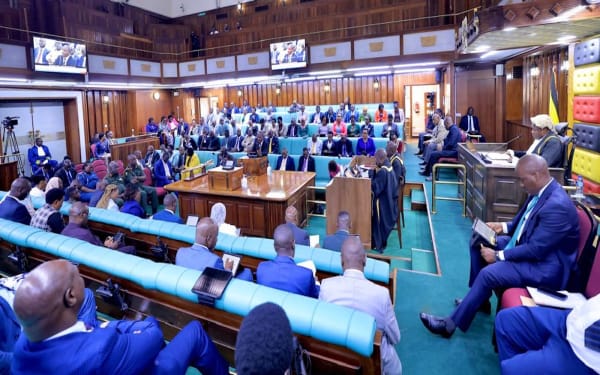
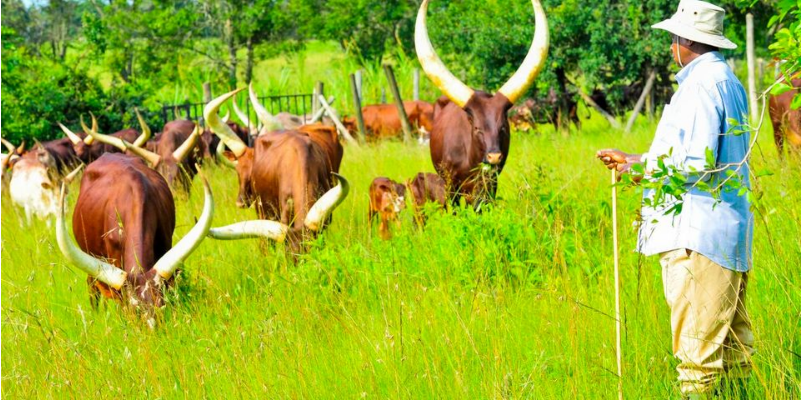
This approach comes in response to Minister Tumwebaze's previous disclosure to Parliament, stating the nation requires approximately $176 million (or Shs. 670 billion) to acquire 88 million vaccine doses to fulfill the semi-annual vaccination needs of over 44 million at-risk animals, including cattle, sheep, goats, and pigs.
Given the substantial cost of $2 per dose, this financial challenge prompted the exploration of a cost-sharing model with the agricultural community.
The immediate action plan includes procuring 10 million FMD vaccine doses to enhance vaccination efforts in districts currently at risk or neighboring affected areas.
The government also plans to set up a revolving fund to facilitate the regular purchase of vaccines, thereby mandating vaccination for all at-risk domestic animals.
A crucial component of this policy is the requirement for farmers to show proof of vaccination before they can sell animals and their products, aiming to protect both public health and the economy.
The confirmation of FMD in 36 districts has necessitated strict quarantine measures and the shutting down of animal markets, significantly impacting the livelihoods of farmers. Despite resistance from the farming community, such precautions are considered vital to prevent the disease from reaching "alarming and uncontrollable epidemic levels," as Minister Tumwebaze emphasized.
The government's prior vaccine provisions catered to merely a small segment of the susceptible animal population, underscoring the need for a more viable long-term solution.
This cost-sharing policy marks a pivotal change in governmental strategy towards managing outbreaks of animal diseases.
By requiring farmers to contribute to the cost of vaccines, the initiative seeks to gather more resources to effectively fight FMD and promote responsible farming practices.
Minister Tumwebaze urged the agricultural community and other stakeholders to recognize and support these measures, comparing them to successful efforts in eradicating other diseases, such as rinderpest.