Minister Amongi Warns of Unacceptable Safety Negligence in Ugandan Industries
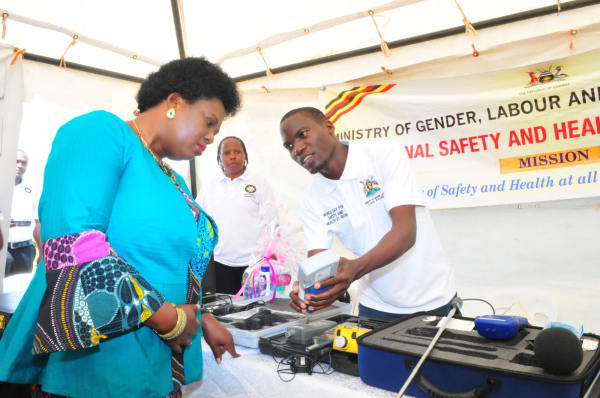
Minister of Gender, Labour, and Social Development, Hon Betty Amongi
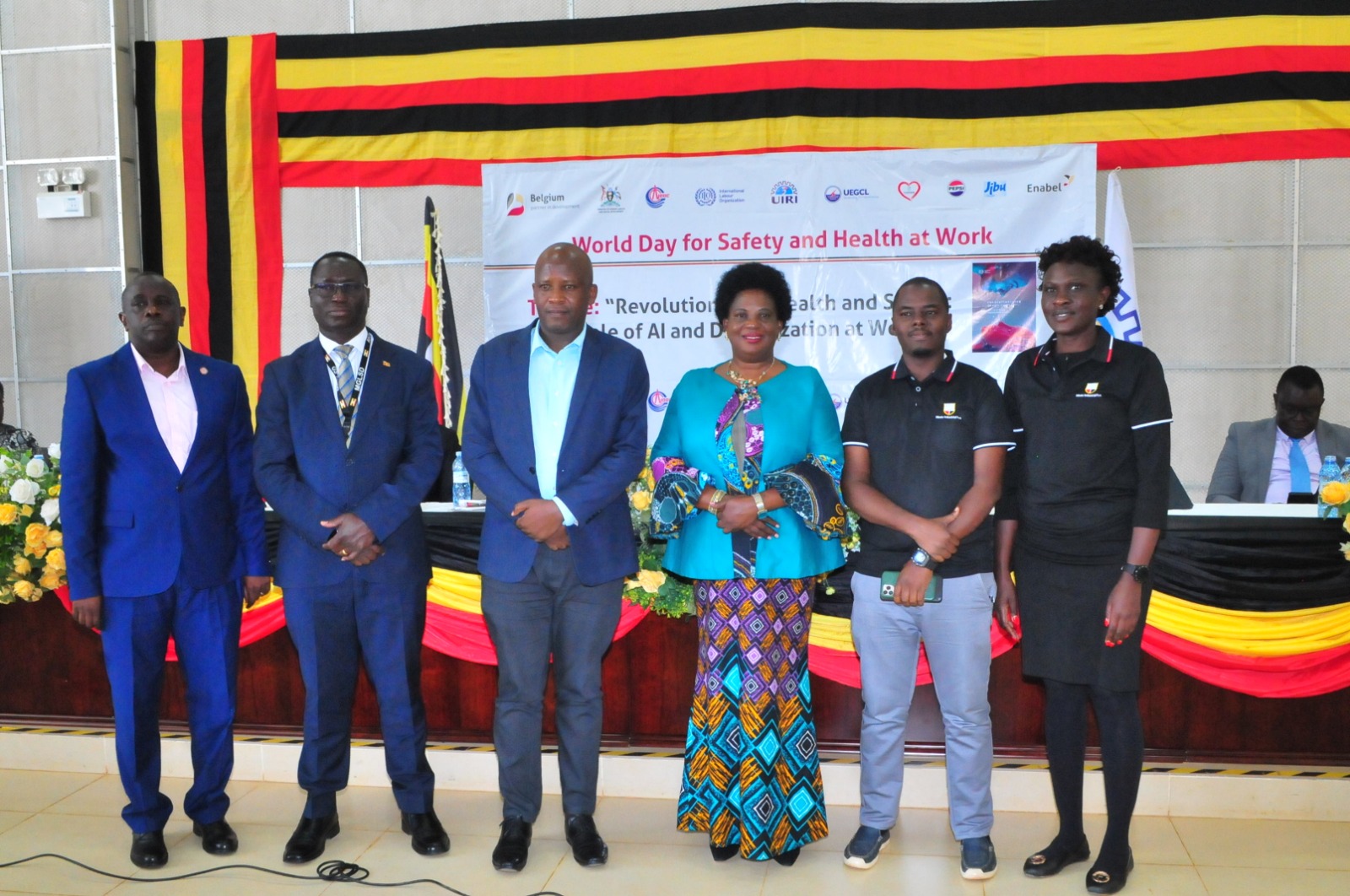
On Monday, the Minister of Gender, Labour, and Social Development, Hon Betty Amongi, presided over the celebrations to mark the World Day for Safety and Health at Work at the Uganda Industrial Research Institute (UIRI) in Namanve.
The event, held under the theme “Revolutionising Health and Safety: The Role of AI and Digitisation at Work,” aimed to highlight the importance of improving safety standards in workplaces across Uganda.
During her speech, Minister Amongi highlighted the dangerous working conditions she had observed during her tours of various industries. She specifically mentioned the alarming lack of safety gear, such as ear protection, gloves, and boots, in factories.
In one instance, workers were seen carrying steel by hand without proper protective equipment. The minister expressed her shock when she learned that some workers were taking safety gear home, not for practical use but as a way to “look cool” and attract attention.
“This is unacceptable,” Minister Amongi stated. “Employers must take safety more seriously. These are not minor issues; they can cause permanent disability. Failure to comply with occupational safety and health standards has serious consequences for all of us.”

She further emphasised that workplace accidents not only cost lives and livelihoods but can also damage a company’s reputation and result in legal and financial consequences, including compensation for the injured and, in extreme cases, business closures.
The minister stressed the importance of using technology to enhance safety standards, urging employers to adopt more innovative and proactive safety measures. “With technology, we need to be more proactive in ensuring that strict safety standards are enforced, especially in high-risk sectors where human lives are at stake,” she added.
The Role of AI and Digitisation in Occupational Safety
Aggrey Kibenge, the Permanent Secretary at the Ministry of Gender, also spoke at the event, recognising the growing potential of AI in improving Occupational Safety and Health (OSH). While AI integration is still in its early stages in Uganda, Kibenge highlighted the ministry's efforts to embrace technology, including the use of web-based systems for registration, certification, inspections, and training.
“We are steadily adopting AI and digitisation in our efforts to improve safety standards,” Kibenge stated, encouraging all stakeholders to embrace the digital era for a safer and more efficient work environment.
Douglas Opio, the Chief Executive Officer of the Federation of Uganda Employers (FUE), echoed this sentiment, underscoring the positive impact AI could have on workplace safety.
“AI has immense potential in predicting and preventing accidents,” Opio explained. “By analysing data faster than humans, AI can identify trends and patterns that could otherwise go unnoticed. It can also assist with high-risk tasks, such as handling toxic chemicals, by utilising robots instead of exposing workers to these dangers.”
Opio also highlighted how AI could revolutionise training, accelerating the learning process and ensuring workers are better prepared to handle potential risks.
Innovating Safety Measures for the Future
Professor Charles Kwesiga, Executive Director of UIRI, discussed the need for a shift in industrial processes to prioritise the health and safety of workers. He advocated for the integration of ergonomics and human factors engineering into university curricula, to better prepare future generations for safe and efficient industrial practices.
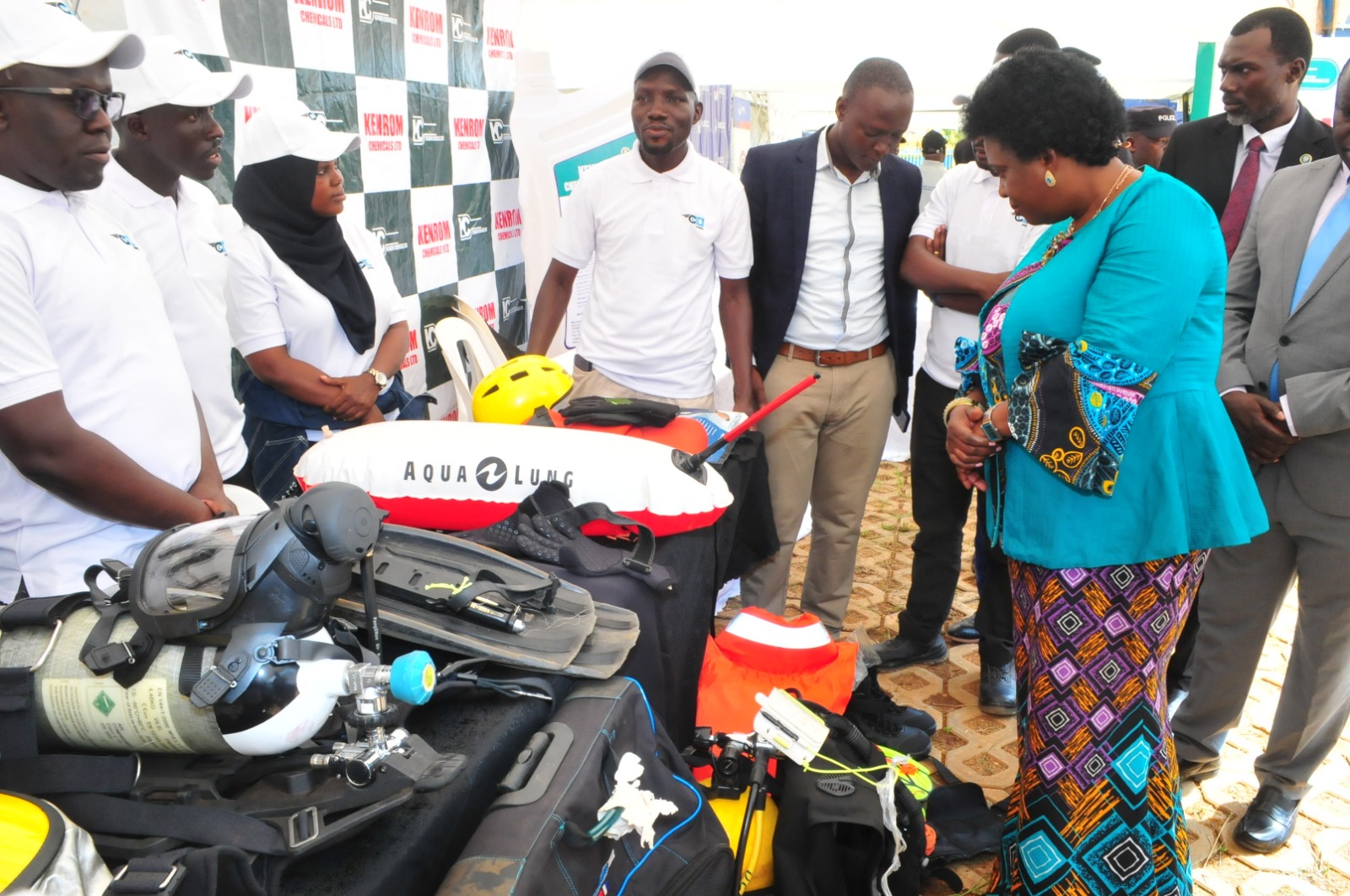
Professor Kwesiga also pointed out the opportunity for Uganda to produce more Personal Protective Equipment (PPE) locally, reducing the reliance on imports. “We can do better than importing boots from India. It’s time for Uganda to develop its own PPE industry,” he urged.
In her closing remarks, Minister Amongi called for continued collaboration between the government, employers, and workers to create a safer and healthier work environment for all. She reiterated that while the integration of technology is crucial, the ultimate goal should always be to protect the well-being of the workers who power Uganda’s industries.