Mak Ordered to Withdraw ULS Representative to Council as Court Annuls Selection Method
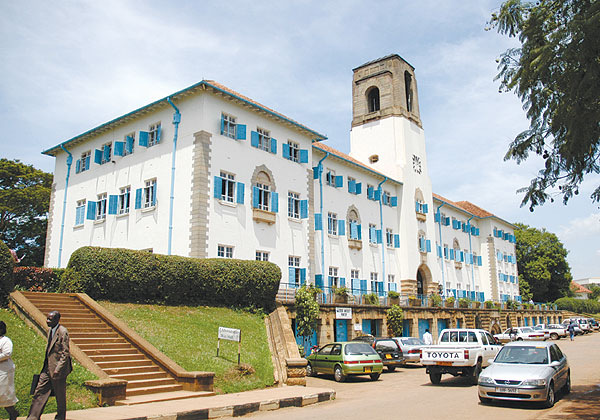
Makerere University has been ordered to withdraw a nominee previously proposed by the ULS to the University Council.
The Kampala High Court has annulled the current method employed by the Uganda Law Society (ULS) for nominating its members to statutory organizations without conducting elections among its members.
Justice Boniface Wamala sided with Counsel Stephen Kalali's argument that the ULS executive's practice of handpicking representatives for state agencies contravenes the stipulations of the Uganda Law Society Act and its Elections Regulations, which mandate that such positions be filled through elections.
In his ruling on February 2, Justice Wamala articulated, "I have identified a violation of the ULS Act and the Elections Regulations… Consequently, I grant a perpetual injunction that prevents the Respondent’s Council from continuing to violate the Act and the Elections Regulations in the election of the Society's representatives."
Following the verdict, Counsel Kalali contacted the Chairwoman of the Makerere University Council, Lorna Magara, to advise against accepting a nominee previously proposed by the ULS to the University Council.
In his letter, Kalali disclosed, “It came as a surprise to learn that the ULS Council has covertly and unlawfully forwarded a name to your university council for consideration,” advising that such an action contravenes the court's ruling.
He urged the university to invalidate the unauthorized nomination and to choose a representative who has been duly elected by the ULS members.
Kalali also issued a call for other organizations that currently have ULS-appointed representatives to remove them in adherence to the court's decision.
He shed light on internal issues within the ULS, including the non-transparent nomination process and the absence of a mechanism for member feedback on the conduct of their representatives. He pointed out the lack of awareness among ULS members about who represents them and the criteria used for selection.
Kalali heralded the court's judgment as a victory for democratic principles within the ULS, ensuring that representatives are elected by and accountable to the members of the society.
He stated, “I urge all representatives of the ULS to statutory bodies to resign from their positions to allow for the correct and lawful election procedure to take place. The court’s verdict implies that their appointments were invalid,” advocating for the dignified resignation of these representatives to pave the way for a lawful electoral process in which they are free to participate.