Kampala Geopolitics Conference Kicks Off with Engaging Discussions

Kampala Geopolitics Conference
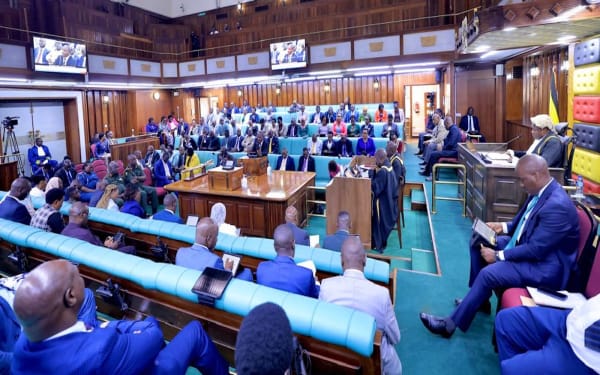
The 8th edition of the annual Kampala Geopolitics Conference commenced on Wednesday at Makerere University, attracting hundreds of attendees, predominantly university students.
The conference, which serves as a significant platform for discussing pressing global and regional issues, featured powerful panel discussions on a variety of critical topics, including artificial intelligence (AI), peacekeeping in Africa, and the situation in the Democratic Republic of Congo (DRC).
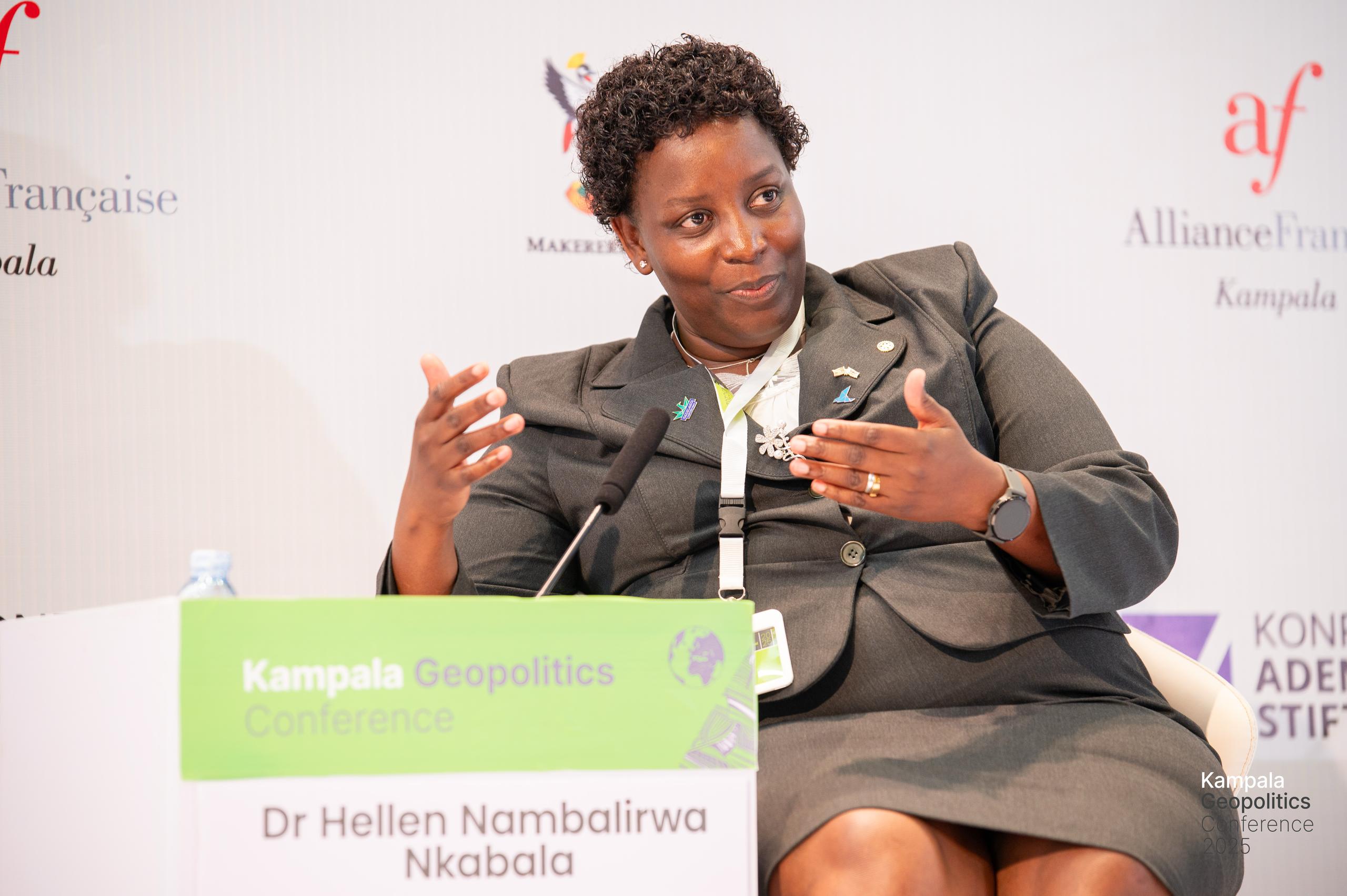
Ass. Prof Helen Nambalirwa Nkabala, the Dean of the College of Humanities at Makerere University, represented the university Vice Chancellor Prof Barnabas Nawangwe at the opening session. She highlighted the conference’s vital role in shaping discourse on key topics impacting both Africa and the wider world. “The Kampala Geopolitics Conference has lived up to its expectations as a platform for debating important topics,” Nkabala stated.
A major area of focus was the discussion on AI and its potential for both positive and negative uses. Nkabala shared how AI has been harnessed by researchers and students at Makerere to tackle significant challenges, such as disease detection, air quality monitoring, and improving healthcare access.
However, she also cautioned about the dangers posed by AI, particularly its role in spreading misinformation, which could lead to political instability. “We are glad to have a debate on AI misinformation as well as democracy in Africa,” she added, urging attendees to pay close attention to these issues.
Xavier Sticker, the Ambassador of France to Uganda, expressed gratitude for the partnership with Makerere University, Konrad Adenauer Stiftung, the French Embassy, and Allianz Francaise de Kampala in hosting the conference. Sticker stressed the importance of discussing global issues, including the high seas, UNSC reforms, and peacekeeping, all of which are particularly relevant to Uganda.
A key theme of the conference was the regulation of AI, with Sticker noting the need for protective measures to ensure that AI does not perpetuate inequality or harm vulnerable populations. “If AI is regulated, there have to be protections to restore equality,” Sticker emphasised.
The conference also turned its attention to the escalating conflict in the DRC, a topic that has been central to past discussions. Nils Wörmer, Director of Konrad-Adenauer-Stiftung’s Regional Programme Security Dialogue for East Africa, highlighted the importance of understanding the root causes of the conflict and assessing the role of various actors in the region.
“Uganda already has boots on the ground in the DRC, and it’s key that we bring in Ugandans and their views,” Wörmer said.
The discussions about the DRC are timely, given the ongoing challenges in the region. Wörmer stressed that understanding the conflict’s underlying causes and potential solutions was critical for achieving sustainable peace and stability in Africa.
In addition to the academic discussions, the conference showcased African culture, with performances from the Umurisho drummers from Burundi and Ugandan artist Vinka, who performed her best hits. Eric Touzé, Director of Alliance Française de Kampala, spoke about the importance of integrating African cultures into geopolitical conversations. “We look forward to having African cultures at the centre of the debate in the future,” Touzé said, reflecting on the evolving role of culture in international dialogue.
The first panel discussion, titled “Navigating Pathways to Sustainable Peace and Development in the Democratic Republic of Congo,” featured Uganda statesman Augustine Ruzindans. Ruzindans called for the establishment of an effective state to maintain peace in the DRC. He acknowledged the challenges in achieving this, stating, “We know that we are not about to have an effective state in Congo, so we need to forge other solutions to the impending insecurity.”
The panel discussions continued throughout the day, providing a platform for experts and thought leaders to share insights and propose solutions to some of the most pressing geopolitical challenges facing Africa.