
Kampala Geopolitics Conference 2024 Shines Light on Africa’s Challenges

The Kampala Geopolitics Conference opened in Kampala
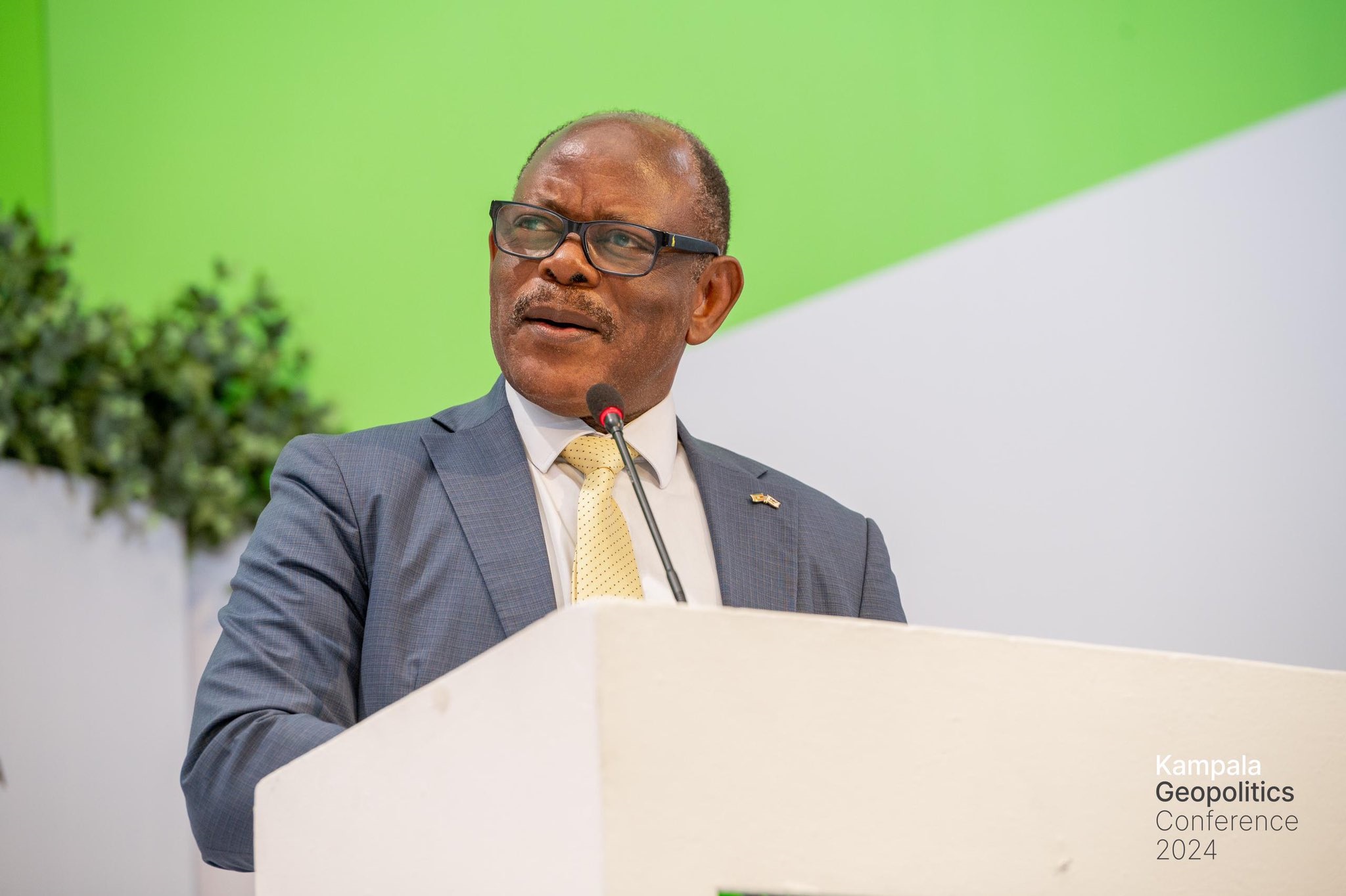
The 7th edition of the Kampala Geopolitics Conference opened on Wednesday at Makerere University, focusing on key geopolitical issues affecting Africa and Uganda's potential role in fostering regional stability. This year’s conference, themed “The African Dimensions in International Debates,” brings together diplomats, scholars, civil society, and government officials to discuss pressing challenges such as armed conflicts, gender-based violence, and the future of oil governance in Uganda.
Nils Woermer, Regional Director at the Konrad Adenauer Stiftung, brought attention to the ongoing conflict in Sudan. Since April 2023, the violence between military factions has deepened regional tensions and created a severe humanitarian crisis. Woermer emphasized that Uganda could play a pivotal role in fostering peace in Sudan and the broader East African region. "The conflict, initially seen as a power struggle, has escalated into a regional issue, and we must explore Uganda's potential contribution to resolving it," he noted.
On a similar note, Barnabas Nawangwe, Vice-Chancellor of Makerere University, touched on the broader theme of conflict and its impact on Africa, pointing to global inaction in regions such as Gaza and Sudan. Nawangwe also highlighted the conference’s role in addressing Africa’s demographic challenges, particularly the need to create employment opportunities and ensure food security. “As Africa’s population grows, we must find sustainable solutions to feed our people and create jobs. I expect the conference to address such issues of national and global interest,” he stated.
The issue of governance and resource management also took center stage, particularly with regard to Uganda's growing oil sector. Janyce Obrecht, Deputy Head of Mission at the French Embassy in Uganda, spoke on the impact of oil revenue on the country’s economy. She emphasized the need for transparency in managing Uganda’s oil wealth to ensure it benefits key sectors like health, education, and infrastructure. One of the conference panels will examine how oil revenue can be a blessing rather than a curse for Uganda, with a focus on safeguards to prevent corruption and mismanagement.
Gender-based violence (GBV) in conflict zones also emerged as a critical topic. Sarah Kihika Kakande from the International Center for Transitional Justice stressed the importance of domestic courts in tackling impunity for sexual violence. While international mechanisms like the International Criminal Court (ICC) play a role, Kakande argued that the primary responsibility lies with the state to ensure justice for survivors of sexual violence. "Domestic courts must be strengthened to handle these cases, as the ICC cannot address every conflict," she explained.
Incorporating a cultural element into the geopolitical discussions, Eric Touze, Director of Alliance Française Kampala, highlighted the importance of cultural exchange in conflict resolution. He stressed that partnerships based on equality and mutual respect are key to fostering understanding and dialogue. “At this event, we have tailored cultural programs that will provide a counterpoint to the scholarly discussions, enriching the dialogue with diverse perspectives,” Touze added.
As the conference continues, it is expected to explore various themes, including Uganda’s position in regional peace-building, oil governance, and the role of justice in addressing gender-based violence in conflict zones. Organized by Makerere University, the French Embassy, Konrad Adenauer Stiftung, and Alliance Française, the Kampala Geopolitics Conference remains a platform for addressing Africa's most pressing geopolitical challenges. The event will run until October 24, 2024.
#KampalaGeopoliticsConference :