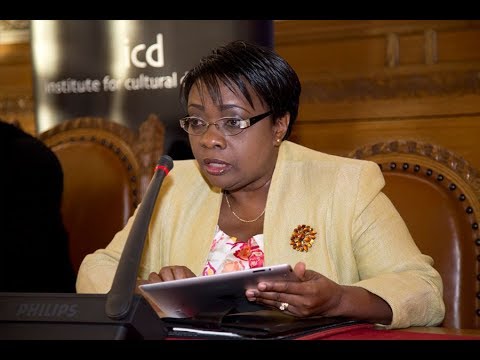
Uganda’s Julia Sebutinde, who opposed all the provisional measures the World Court mandated Israel to implement during the Gaza conflict, including the obligation to facilitate aid delivery, has been appointed as the vice-president of the International Court of Justice (ICJ).
Sebutinde gained attention for her unanimous dissent in the case brought by South Africa against Israel, where she was the sole judge out of 17 to vote against the court's directives aimed at addressing Israel's alleged breaches of the Genocide Convention amidst the military actions in Gaza following Hamas's attacks on Israel on October 7.
The ICJ had demanded that Israel immediately ensure the provision of essential services and humanitarian aid to the people of Gaza and prevent any actions by its military that could be considered genocidal.
The announcement made on Tuesday confirmed Sebutinde's election to the vice presidency for a three-year tenure, with Judge Nawaf Salam of Lebanon succeeding Joan Donoghue as the president of the ICJ.
Since joining the court on February 6, 2012, Sebutinde, has been recognized for her extensive experience in war crimes cases, including her role in the prosecution of former Liberian politician Charles Taylor.
Her dissent in the recent judgement against Israel, where she argued that the Israeli leadership's statements were aimed at Hamas and not indicative of genocidal intent, placed her in the international spotlight.
Sebutinde contended that Israel's military operations in Gaza were justified and that its efforts to warn civilians and facilitate humanitarian aid negated the allegations of genocidal intent.