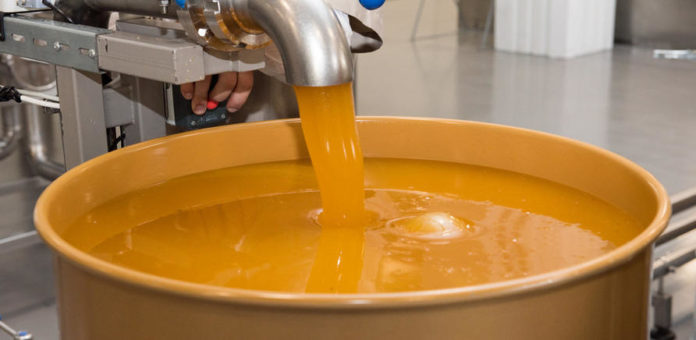
Government is constructing a Shs2 billion honey-processing plant in Aswa, northern Uganda.
The project, which is being implemented by the National Animal Genetic Resources Center and Databank (NAGRC&DB), is aimed to improving livelihoods of people in the area and serve growing demand for bee products in neighboring South Sudan and DR Congo as well as Gulf states.
The plan is expected to be complete by end of this year, officials said, adding that aspiring apiary farmers from all over the country are already being trained at the Aswa ranch in different aspects of bee-keeping.
“This is being implemented in collaboration with Makerere University and the National Agricultural Research Organisation (NARO),” reads a statement on the agriculture ministry website.
Esther Nakajubi, the head of non-ruminants in NAGRC&DB, says apiculture fits well with Aswa ranch due to the presence of the shea tree that acts as good forage for bee-keeping. Given that apiculture is also one of the environmentally-friendly poverty eradication programmes, farmers in the region Nakajubi is convinced farmers will seamlessly tap into its benefits.
“Our team of highly-trained personnel is skillfully managing this bee enterprise and training farmers,” she says. “We have also realized that the Aswa ranch environment favours mainly the common African bee.”
Already at the site are more than 1,000 Kenya Top Bar (KTB) and Longstroth bee hives that have been colonized. Nakajubi further reasons that the project presents a huge commercial opportunity for farmers due to the several products harvested such as shea honey [produced with nectar from shea trees].
“That honey is harvested twice a year between March to June and August to October and it sold to clinics for medicinal applications such as treatment of sore throats and by HIV/Aids sufferers who take it to treat opportunistic infections,” she says. “Also, bee propolis and venom are produced for treatment of various diseases.”
With this development, Nakajubi and her team have discouraged local communities from felling of shea trees for charcoal burning.