he Government has reintroduced the UPDF (Amendment) Bill, 2025, which aims to overhaul the UPDF Act and redefine the jurisdiction of military courts in Uganda.
The bill, which is set to be presented by Minister of Defence Hon. Jacob Oboth Oboth, has been prompted by a Supreme Court ruling in January 2025, declaring that military courts cannot try civilians.
This decision has led to the proposed amendments, which some critics argue may bypass the Court’s directive.
Changes to Military Court Jurisdiction
The new bill permits the prosecution of civilians in military courts only in “exceptional circumstances,” though these circumstances are not clearly defined. Legal experts, including Counsel Nicholas Opiyo, have expressed concerns over the ambiguity of this term, suggesting it could lead to arbitrary decisions and undermine judicial independence.
Expansion of Military Law Jurisdiction
Clause 30 of the bill expands the scope of military jurisdiction, including civilians who accompany military units, those in “engagement” with the military, and anyone found in possession of military equipment, such as firearms or explosives.
Additionally, the bill criminalises the impersonation of military personnel and aiding or abetting military offences. This could extend military jurisdiction to family members, civilians working with the military, and those who assist in crimes linked to military personnel.
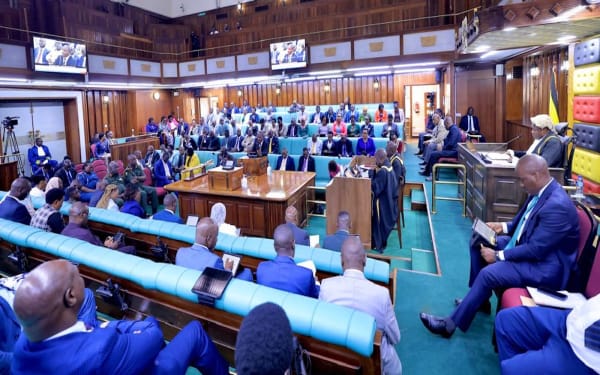
These changes have sparked significant concerns about the overreach of military law and potential violations of civil liberties. Critics argue that the bill does not fully comply with the Supreme Court ruling and may pave the way for political misuse. The bill is set to be debated in Parliament, with ongoing discussions around its implications for Uganda’s legal framework.