The government will not gazette Prince Edward Rukidi Kijanangoma as King of Tooro until the succession dispute following the death of King Oyo Nyimba Kabamba Iguru Rukidi IV is resolved, Attorney General Sam Mayanja has said.
Mayanja said the Babiito elders’ decision to declare Kijanangoma king does not automatically qualify him for formal government recognition because rival claims to the throne remain unresolved.
Gazettement would formally recognise the new monarch and allow the central government to extend the support and privileges accorded to recognised traditional leaders.
“As such, Prince Rukidi Kijanangoma will not be gazetted as the new King of Tooro until these matters are completed,” Mayanja said.
He said the process would only resume once the succession question is settled.
“Once everything is settled, the Minister of Gender, Labour and Social Development Gen Henry Tumukunde will write to me and we shall proceed to gazette the new king and hand them items and support that kings get from the central government,” he said.
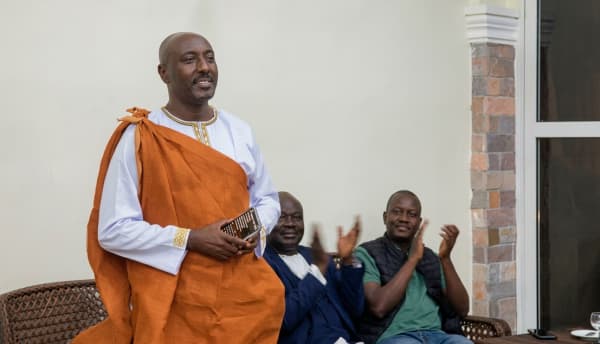
The position leaves Kijanangoma without formal government recognition despite the Babiito clan declaring him King Oyo’s successor and the prince addressing supporters as king.
Kijanangoma has already outlined plans for his reign, including scholarships, education projects, partnerships and efforts to unite Tooro.
However, Mayanja said the elders’ declaration cannot end the dispute where other interested parties continue to challenge the succession process.
“The Babiito clan say they have decided but even if you are the elders; if your decision does not effectively resolve the issue, the law says you must go to court,” he said.
“It is the court that will direct [King Oyo]’s purported son to be brought forward. That is when the truth will come out.”
The Attorney General had earlier advised President Yoweri Museveni that King Oyo’s will should guide the succession unless successfully challenged before a court.
The will provides that a lawfully recognised biological son of King Oyo would inherit the throne if one existed and was eligible to succeed him.
The claim of a son has become one of the central issues in the succession battle. Members of King Oyo’s immediate family have also challenged the Babiito elders’ process.
Mayanja said the unresolved dispute was also why he opposed performing a key succession ritual during King Oyo’s burial.
“I directed for the burial to take place but I stopped the customary throwing of nine coffee beans in the grave by the king’s successor,” he said.
“The coffee beans imply that the new king has been affirmed which is not the case because he is currently contested.”
He said Tooro faced a similar situation following the death of King Patrick David Matthew Kaboyo Olimi III, King Oyo’s father.
“Even in the case of the late Olimi Kaboyo, a similar contest was there and it was only afterwards that baby Oyo threw in the coffee beans,” Mayanja said.
The government position now means Kijanangoma can continue enjoying the backing of the Babiito elders, but his formal recognition as King of Tooro will remain on hold until the succession dispute is settled.