Gov't Allocates Shs 26.2 Billion for Compensation to West Nile Insurgents
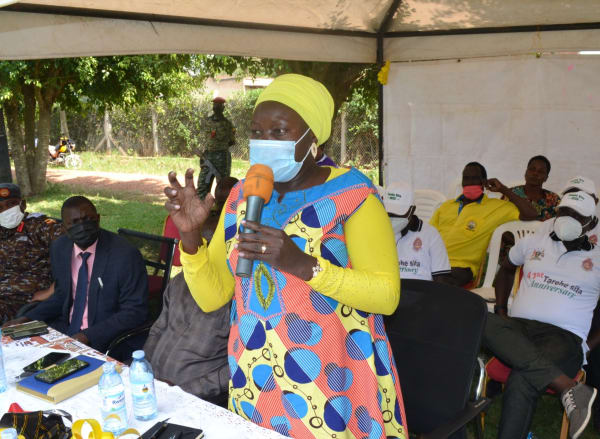
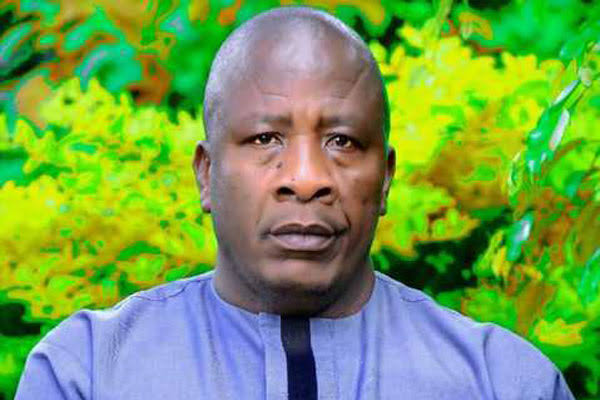
Minister Huda Abason Oleru
Government has announced a substantial compensation package totalling Shs 26.2 billion for former members of the West Nile rebel groups, specifically addressing long-standing grievances stemming from the nation's tumultuous past.
Hon. Huda Oleru Abason, the Minister of State for Defence and Veteran Affairs, on May 3, 2024, detailed the government’s commitment to this initiative. This move is part of broader efforts to address the socio-economic challenges and historical conflicts in the West Nile region, which experienced severe turmoil shortly after the fall of the Idi Amin regime in 1979.
For decades, the area was a hotbed of insurgencies, leading to significant displacement and suffering among the local populations. Several rebel groups formed during this period, including the Uganda National Rescue Front (UNRF) in its three iterations and the National Resistance Army (NRA), with the West Nile Bank Front (WNBF) being notably led by Maj Gen Juma Oris Abdallah.
These groups were part of negotiations that led to peace agreements under President Yoweri Kaguta Museveni's leadership, with most being integrated into formal peace processes through various resettlement packages. However, the WNBF had remained a notable exception until now.
Under the newly announced plan, the government has allocated Shs 5.1 billion specifically for the WNBF, to be distributed among 4,901 verified former combatants as part of a "Peace Dividend". This initiative will officially commence with a payout ceremony scheduled for May 8, 2024, in Koboko District. The broader package also includes Shs 21 billion designated for the UNRFII and other residual claimants, set to be disbursed in the fiscal year 2024/25.
The verification and mobilization process for these payments started with former combatants in several districts, including Pakwach, Zombo, Nebbi, Madi-Okolo, Arua, Maracha, Moyo, Terego, Koboko, Yumbe, Obongi, Moyo, and Adjumani. This comprehensive approach aims to ensure that all eligible individuals receive what they are due, a logistical challenge given the scale of the operation and the years that have elapsed since the conflicts ended.
This compensation is seen as a crucial step towards healing the wounds left by decades of conflict and displacement. It recognizes the need for restitution to those who, directly or indirectly, were part of the armed struggles that have shaped the region's recent history.
The government hopes that by settling these longstanding claims, it can foster a more stable and prosperous environment in the West Nile region, encouraging former combatants and their communities to engage in peaceful development and economic activities. This, in turn, is expected to contribute to Uganda’s broader goals of achieving middle-income status and enhancing national harmony and cohesion.