CAF Report Exposes Major Gaps as Uganda, Kenya Race to Prepare for AFCON 2027
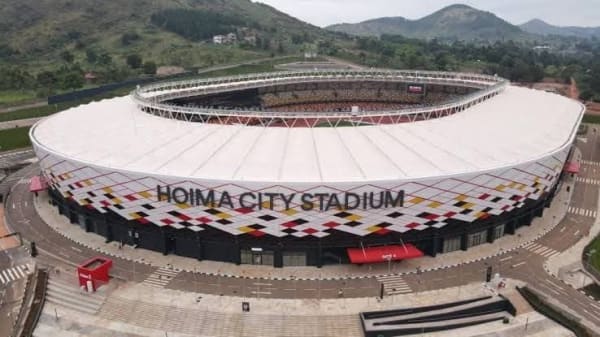
Uganda's Hoima Stadium
A recent inspection report by the Confederation of African Football (CAF) has raised fresh concerns over the readiness of Uganda and Kenya to host the 2027 Africa Cup of Nations (AFCON), revealing that none of the proposed stadiums in the two countries currently meet required standards.
The assessment follows a February 2026 inspection tour across the three co-host nations—Uganda, Kenya and Tanzania—by CAF officials responsible for infrastructure, safety and security.
According to the report, all proposed competition stadiums are still in a construction, upgrading or corrective phase, with none fully compliant with CAF’s Category 4 requirements, the standard required to host AFCON matches.
In Uganda, the situation appears particularly challenging. A separate breakdown of the findings shows that none of the country’s four proposed venues currently meets CAF standards, with key facilities still under development or requiring major operational adjustments.
Hoima City Stadium, one of Uganda’s flagship projects, was found to be structurally complete but operationally deficient. CAF flagged issues including poor segregation of spectators, inadequate dressing rooms, substandard media areas and safety concerns caused by cross-movement between players, officials and fans.
Kenya faces a similar situation, with its stadiums also falling short of CAF requirements and undergoing upgrades and redesign.
The report notes that the entire AFCON 2027 infrastructure programme across the host nations remains incomplete, with significant work required before the tournament.
CAF has set January 2027 as the deadline for full operational readiness, leaving a tight timeline for the host countries. Inspectors are expected to return in August 2026 to assess progress.
Uganda’s State Minister for Sports, Peter Ogwang, has already acknowledged the gaps, saying the concerns raised—particularly at Hoima Stadium—have been forwarded to contractors for urgent correction.
The findings place pressure on both Uganda and Kenya to accelerate construction and upgrades, as delays could affect the region’s ability to successfully host Africa’s biggest football tournament.