Army Withdraws from NMG Offices after Month-long Deployment
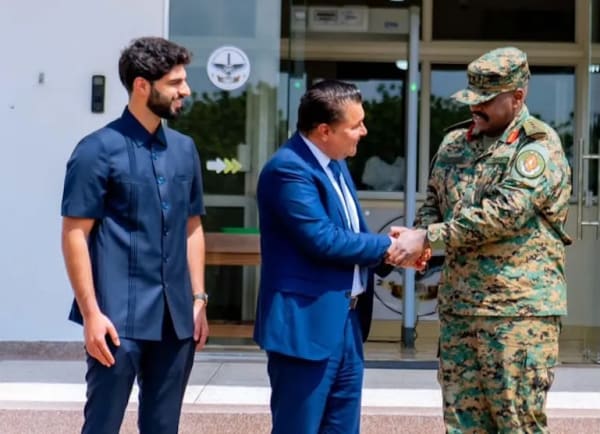
Taifa Group, which acquired a controlling stake in Nation Media Group earlier this year, engaged government officials as efforts were made to restore operations.
The Uganda People’s Defence Forces (UPDF) has withdrawn from Nation Media Group (NMG) Uganda premises, ending a month-long military presence at the media house’s headquarters and broadcast studios.
The withdrawal leaves NMG offices in Namuwongo and its broadcast facilities at the Kampala Serena International Conference Centre without visible military deployment, a sharp contrast to the heavy security presence witnessed since June 28.
A visit to the two locations found no soldiers at the premises. Staff at the Serena offices confirmed that the military had left.
“They left in the morning,” one employee said.
NMG management also confirmed the development in an internal communication to staff.
“Please note that… the military has vacated our premises,” the message read.
However, employees have not yet been allowed to return fully to the affected offices as the company conducts safety and security assessments.
“A lot of checks are ongoing and we shouldn’t compromise that exercise,” management told staff.
The withdrawal comes days after NMG received clearance to resume operations following high-level engagements involving government officials, the company’s management and its majority shareholder, Taifa Group.
NMG announced on July 28 that it had been authorised to reopen after discussions involving Taifa Group chairman Rostam Aziz, President Yoweri Museveni and Chief of Defence Forces Gen Muhoozi Kainerugaba.
The company has since restarted limited operations, with journalists working digitally through the Daily Monitor website, NTV Uganda’s online platforms and other digital channels.
The military deployment began in the early hours of June 28 when armed soldiers sealed off NMG’s Namuwongo headquarters and Serena broadcast studios.
The operation disrupted Daily Monitor, NTV Uganda, Spark TV, KFM and Dembe FM.
Electricity was disconnected, television and radio signals went off air, and employees were prevented from accessing their workplaces.
The shutdown followed public statements by Gen Muhoozi, who announced that Daily Monitor and NTV Uganda had been closed.
He later accused the media house of engaging in what he described as activism and promoting opposition and foreign interests.
The closure affected hundreds of journalists and support staff for nearly a month.
The standoff ended through negotiations rather than court proceedings.
Taifa Group, which acquired a controlling stake in Nation Media Group earlier this year, engaged government officials as efforts were made to restore operations.
Meetings were held with Gen Muhoozi and later at State House with President Museveni.
After the reopening was announced, Aziz thanked President Museveni and Gen Muhoozi for their role in the discussions.
The latest deployment was the second major security occupation of Daily Monitor’s offices in more than a decade.
In May 2013, security forces occupied the newspaper’s offices for 11 days following a publication on the so-called “Muhoozi Project”, which examined claims about presidential succession.