Police in Bukedi South and Butaleja coordinated with the Crime Intelligence and CMI task teams to rescue 59 victims who were allegedly recruited into an ADF domestic cell and were being radicalised.
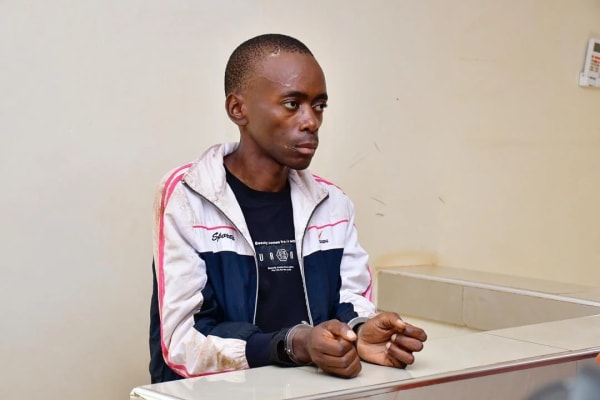
The intelligence-led operation led to the arrest of nine suspects, including two females, who are said to have participated in the attack on Busiika and other police stations.
Police Spokesperson SCP Fred Enanga reassured the public that “all persons arrested are not targeted for their beliefs, ideology, religion.”
The police spokesman said they were pursued for “their acts of conspiracy and hostile engagement that are in total breach of the law, peace and safety of Ugandans.”
The security agencies had been monitoring all spaces in homes, and places of worship which are acting as domains for recruitment and collection centres, for children who are introduced to ideological messages and beliefs.
“We are now interviewing and counselling the victims and gathering further information on the alleged disappearance of other children from the camp, to an unknown place. Arrangements are also in place to re-integrate and reunite them, with their parents, guardians and relatives,” he said.
“We wish to inform the public that terrorists and violent extremist groups use forced and brutal recruitment of large numbers of children. Children may be kidnapped, abducted, coerced through threats or purchased from traffickers. Children living in poverty, without parental care, and street children are particularly vulnerable to forcible recruitment campaigns. Sometimes recruitment is done based on ties between the terrorist group and particular communities; especially when the group is perceived as one that is defending the interests and groups of that particular community against threats, they may encourage children to join the group.”
He added that the recruiters use food, money, accommodation and protection, among others to lure victims.
Terrorists and violent extremist groups have also come up with propaganda strategies aimed at highlighting the advantages of joining the group or at triggering empathy.
“Joining a group may be portrayed as offering status and prestige, smart uniforms and weapons. The experience is shown as an opportunity for power, especially for children without educational opportunities or employment,” he said
“They also focus on ‘victimhood’ using images that show the ‘crimes of the enemy’ with a view to triggering anger and eliciting empathy with those injured or killed and creating a desire to carry out revenge. Specific websites also advertise the existence of the groups and, in many instances, multiple sites in different languages include different messages tailored to specific audiences. Social media platforms, including email, chat rooms, e-groups, message boards, video recordings and applications are especially popular recruitment tools that can also facilitate tailored approaches.”
He also revealed that girls are increasingly being used to execute terrorist activities.
“There are also a number of reasons why girls are favoured targets of recruitment. One reason is visibility attacks by girls, especially young girls have a greater propaganda value, as they tend to gain more media attention than attacks by their male counterparts. Children, particularly girls, are increasingly being used as spies for delivering messages, carrying materials and undertaking suicide attacks. The reasons for this are often pragmatic, children have less understanding of the risk they face and therefore, display less anxiety. They are also more likely to do so as are they ordered, and they generally benefit from the advantages of arousing less suspicious, which can be a crucial asset, for instance in getting closer to targets,” he said.
“Another reason is effectiveness, as the girls do not conform to traditional security profiles and they tend to raise less suspicion and thus have an increased likelihood of successfully carrying out attacks or support roles. Girls may also be induced to “fall in love” with a number of a group through social media, or they may seek an escape from structural violence or family pressure at home by getting married to a terrorist fighter. In addition, sexually abused girls may feel they have no choice and that they have been dishonoured and their reputation has been ruined hindering them from going back home,” he went on.
“We are meanwhile, identifying parents to the victims for their statements and caution them against handing over their children to such anti-democracy actors, who are bent on using their children as actors of violence and impunity, for their selfish gains.”