A U.S President Deep-fake Audio Raises Questions About The Implications Of Generative A.I
Generative AI is a fairly novel type of artificial intelligence technology that can produce various types of content, including text, imagery, audio and synthetic data. Although its importance has been highlighted in several fields, it's implications have been called into question as the technology is constantly used by the public to create fake depictions of politicians and other public personalities (Deep-fakes), in effect spreading mass misinformation and causing harm.
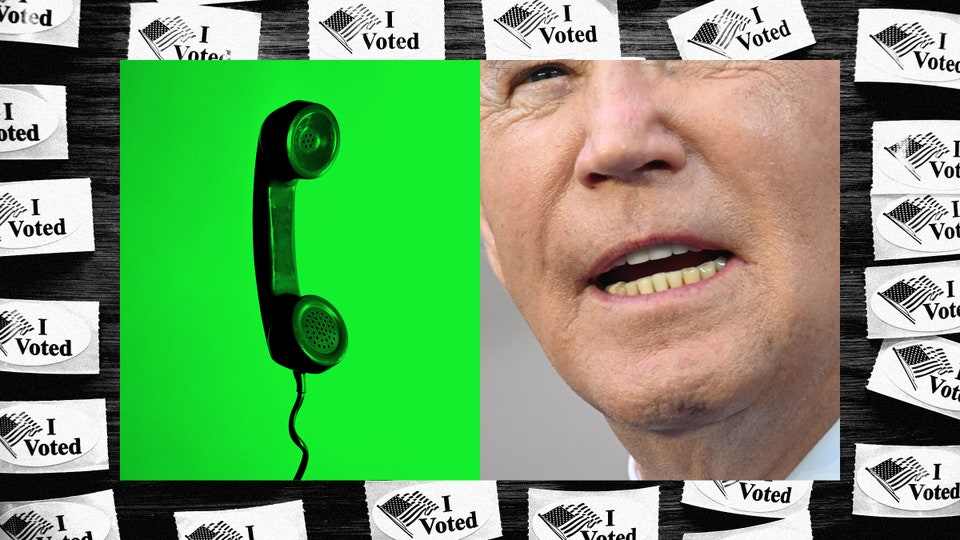
The latest victim of this Deep-fake technology is the United States President, Joe Biden himself. Over the weekend, a Deep-fake robocol audio was released to the public in New Hampshire in the US discouraging voters from voting in the Tuesday primaries.
"We know the value of voting Democratic,” the robocall says. “It’s important that you save your vote for the November election. We’ll need your help electing Democrats up and down the ticket. Voting this Tuesday only enables the Republicans in their quest to elect Donald Trump again. Your vote makes a difference in November, not this Tuesday," the Deep-fake audio said.
The call, first reported by NBC News, was spoofed to appear as if to have come from Kathy Sullivan, a former New Hampshire Democratic Party Chair who leads a super PAC urging voters to write in Biden’s name on their ballots.
Everyone from Sullivan and the Biden campaign to the president’s opponents, like Trump and Dean Phillips, have denied any involvement in placing the calls.
In the year since ChatGPT launched, generative AI has quickly become a focus of concern for lawmakers worried about its potential to displace jobs and spread disinformation. Now, the deepfake robocall imitating Biden has further sparked these fears and highlighted the regulatory gaps around AI accountability and transparency.
“The political deepfake moment is here,” said Robert Weissman, president of the progressive advocacy group Public Citizen, in a statement Monday.
“Policymakers must rush to put in place protections, or we’re facing electoral chaos. The New Hampshire deepfake is a reminder of the many ways that deepfakes can sow confusion and perpetuate fraud.”
In May, images seeming to show an attack on the Pentagon went viral on the social media site X. The fake images caused real impact: a dip in the stock market. As news of the conflict between Israel and Hamas flooded social platforms after October 7, fake images and videos of dead children and destroyed homes caused real outrage as experts and journalists scrambled to verify their authenticity.
Audio fakes are especially pernicious because, unlike faked photos or videos, they lack many of the visual signals that might help someone identify that they’ve been altered, says Hany Farid, a professor at the UC Berkeley School of Information.
“With robocalls, the audio quality on a phone is not great, and so it is easier to trick people with fake audio.”